




How Long Do False Lashes Last?
MRL9006,MRL5849,MRL7002
May 27, 2026
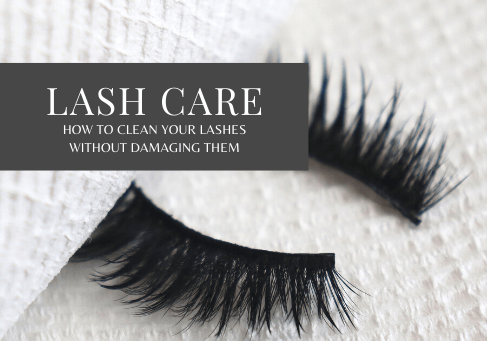
If you are wondering how to clean false lashes properly, the key is to be gentle, consistent, and use the right tools to avoid damage. While lashes are often treated as single use, most high-quality styles can be worn multiple times with proper care.
Regular cleaning helps remove glue and makeup build-up, allowing lashes to apply more easily and maintain their shape. It also supports better hygiene, helping keep the eye area clean and comfortable.
If you have ever thrown out a pair of lashes after one use, you are not alone. Many people assume false lashes are single use, but with the right care, they can be reused several times.
Cleaning your lashes is not just about saving money. It is also about hygiene and performance. Old glue, mascara, and eyeliner can build up quickly, making lashes harder to apply and less comfortable to wear. Unclean lashes can also harbour bacteria that may irritate your eyes.
A proper lash care routine helps you extend the life of your lashes, keep them looking fluffy and fresh, prevent irritation, and achieve better application results.
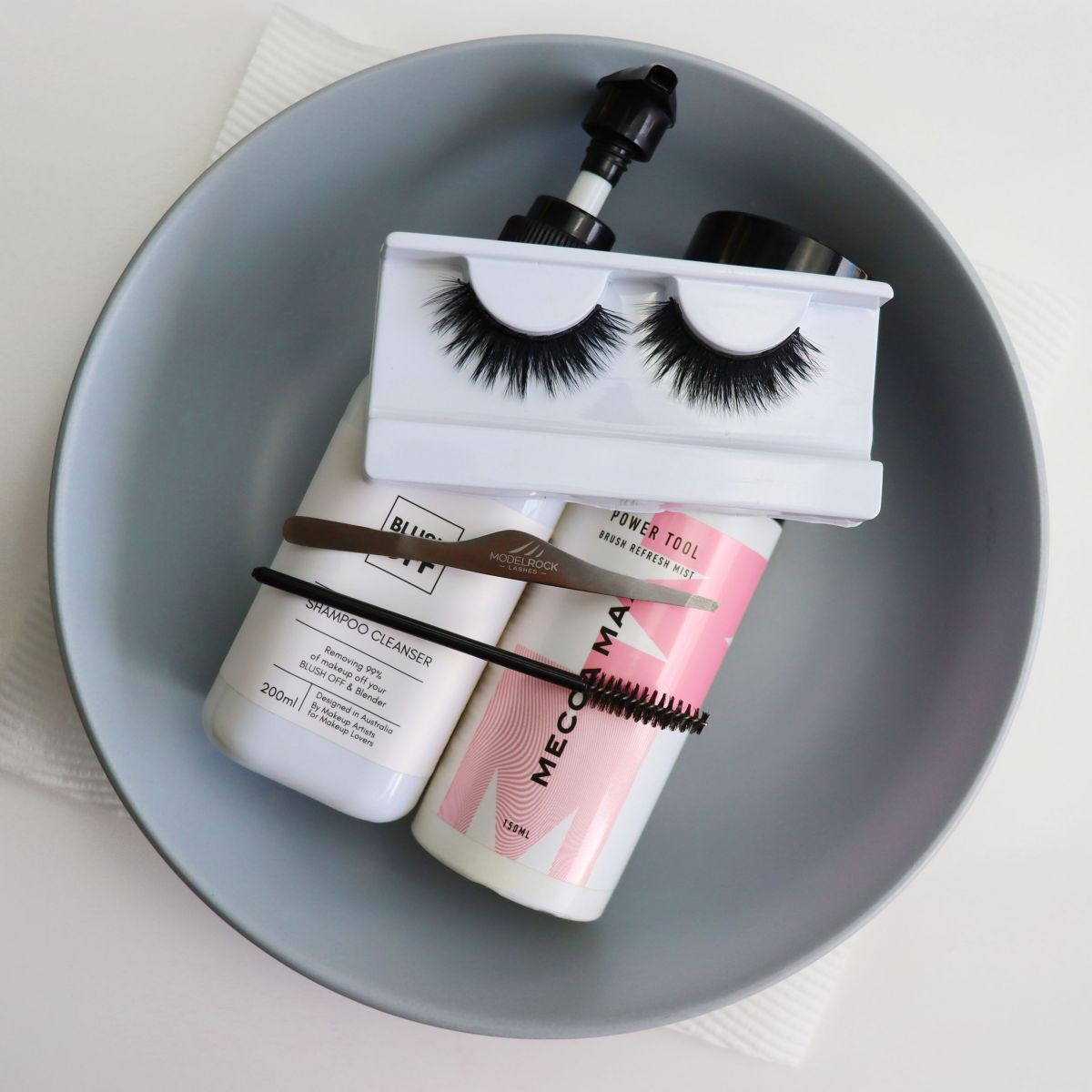
Before you begin, prepare your workspace with the following:
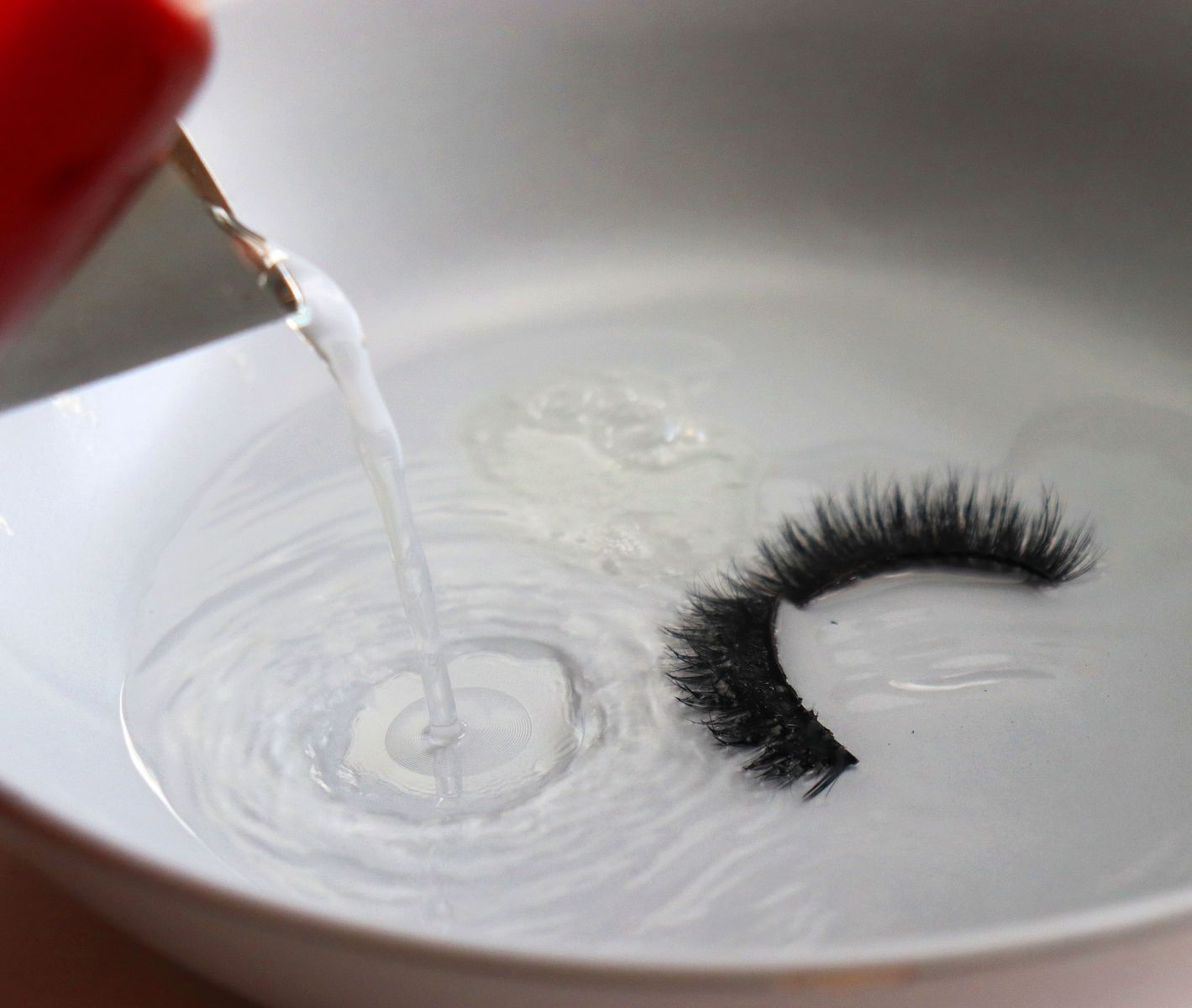
First, wash your hands thoroughly before handling your lashes. Boil your kettle and prepare your workspace. Place your lashes into a shallow bowl with a small amount of cleanser, then pour hot water over them. Allow them to soak for around five minutes. As they soak, makeup will begin to lift away and the glue will turn lighter in colour, making it easier to identify and remove. Pro tip: Do not soak lashes for too long, especially delicate styles, as excessive heat can weaken the band.
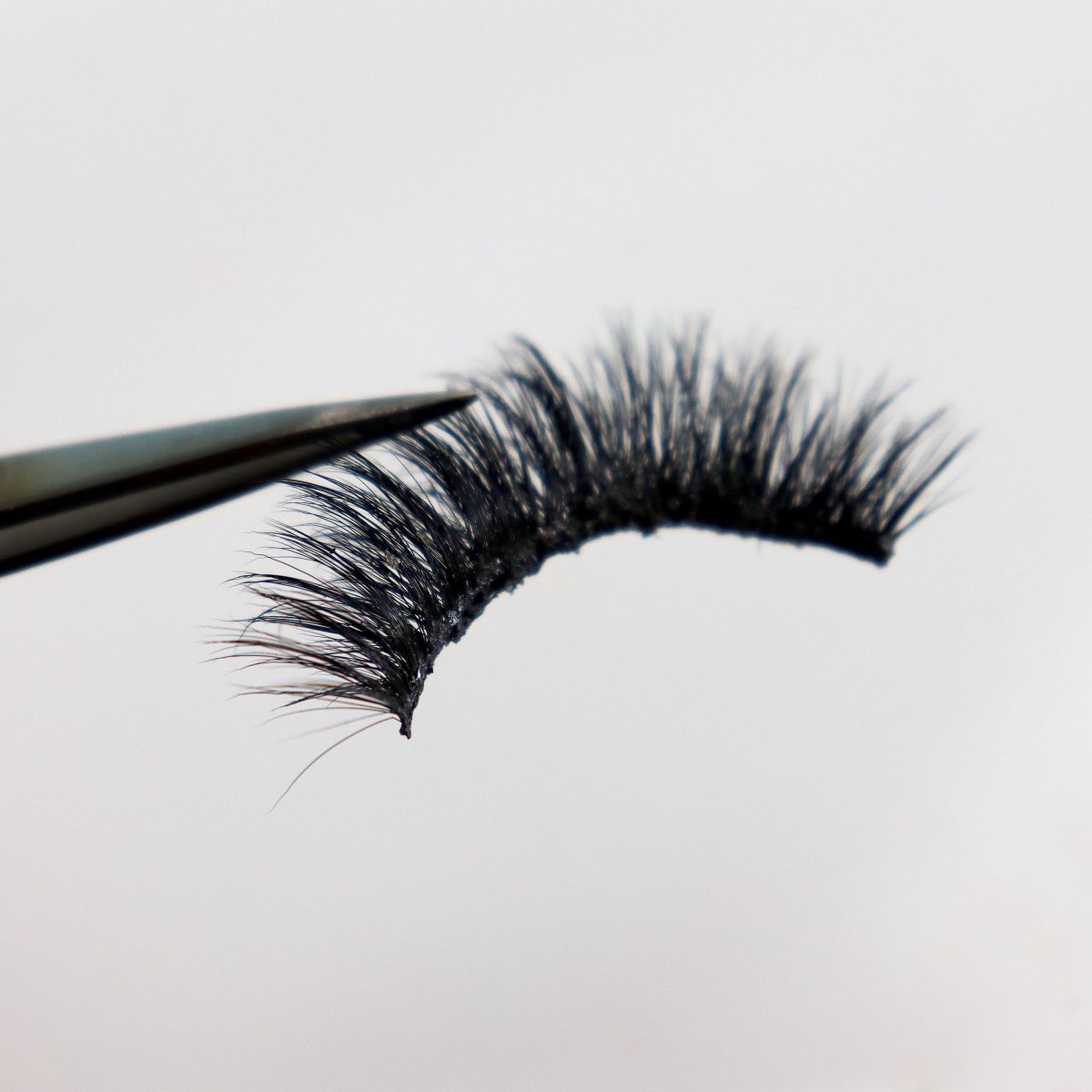
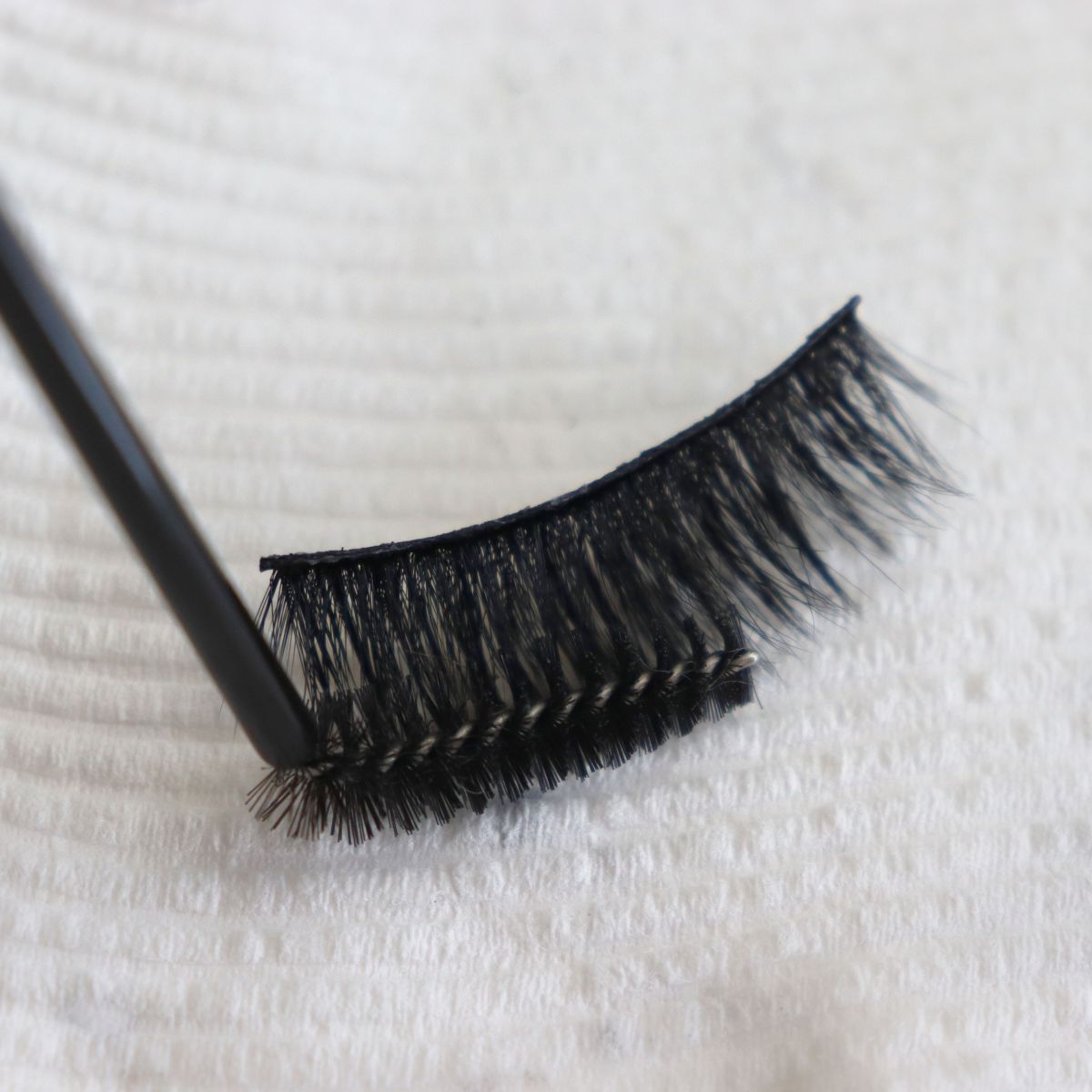
While your lashes are still submerged, hold them carefully with tweezers and use a clean mascara wand to brush through the fibres. This helps remove loosened mascara, eyeliner, and residue that soaking alone may not fully clear. Pro tip: Always brush in one direction to maintain the lash shape and prevent fraying.
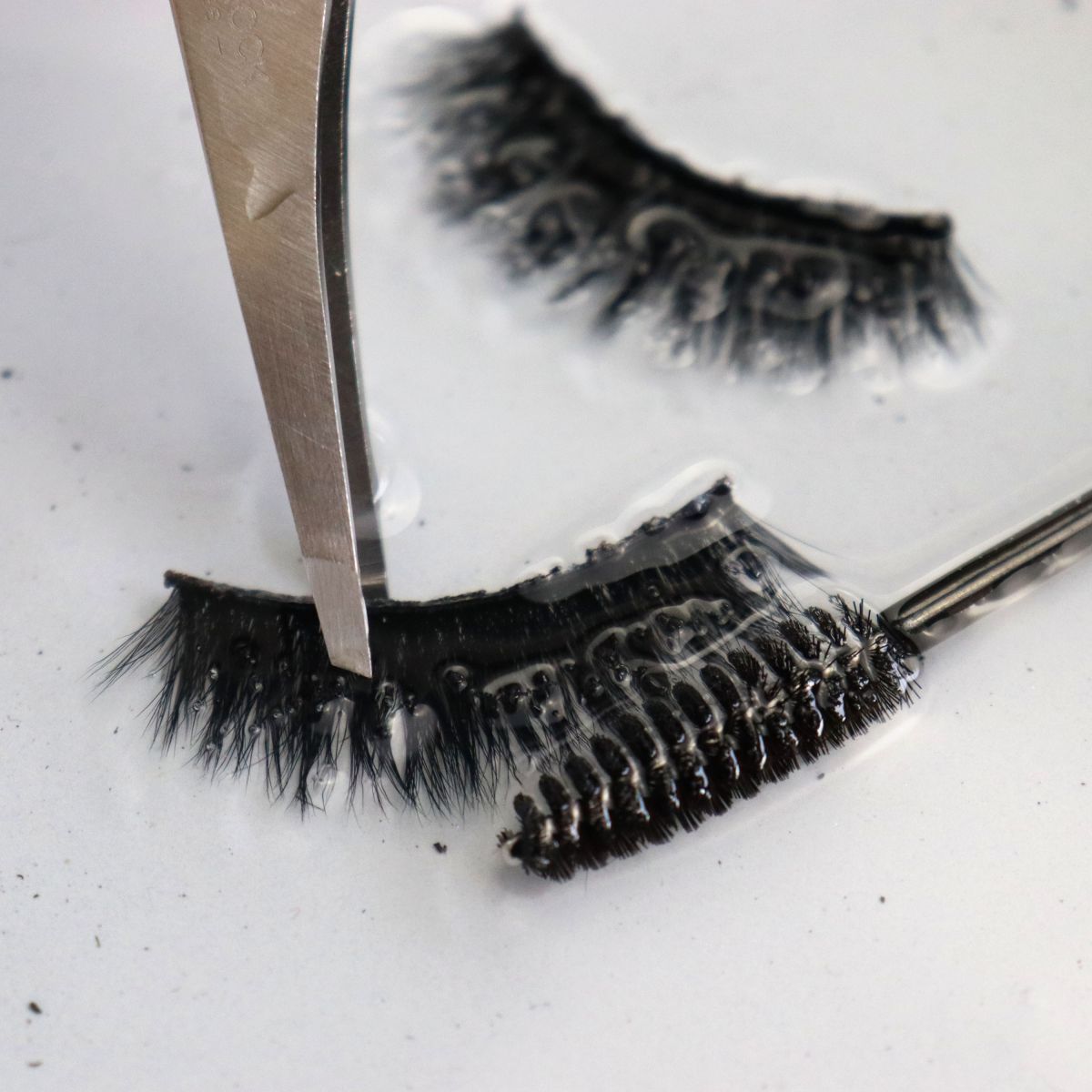
Take your lash out of the water and hold it securely. Using tweezers, gently grip the softened glue along the lash band and slowly peel it away. Avoid pulling on the band itself and focus only on the glue. If needed, use the tip of your tweezers to remove any remaining residue between lash fibres. Pro tip: If the glue feels stubborn, place the lashes back into the water instead of forcing it off.
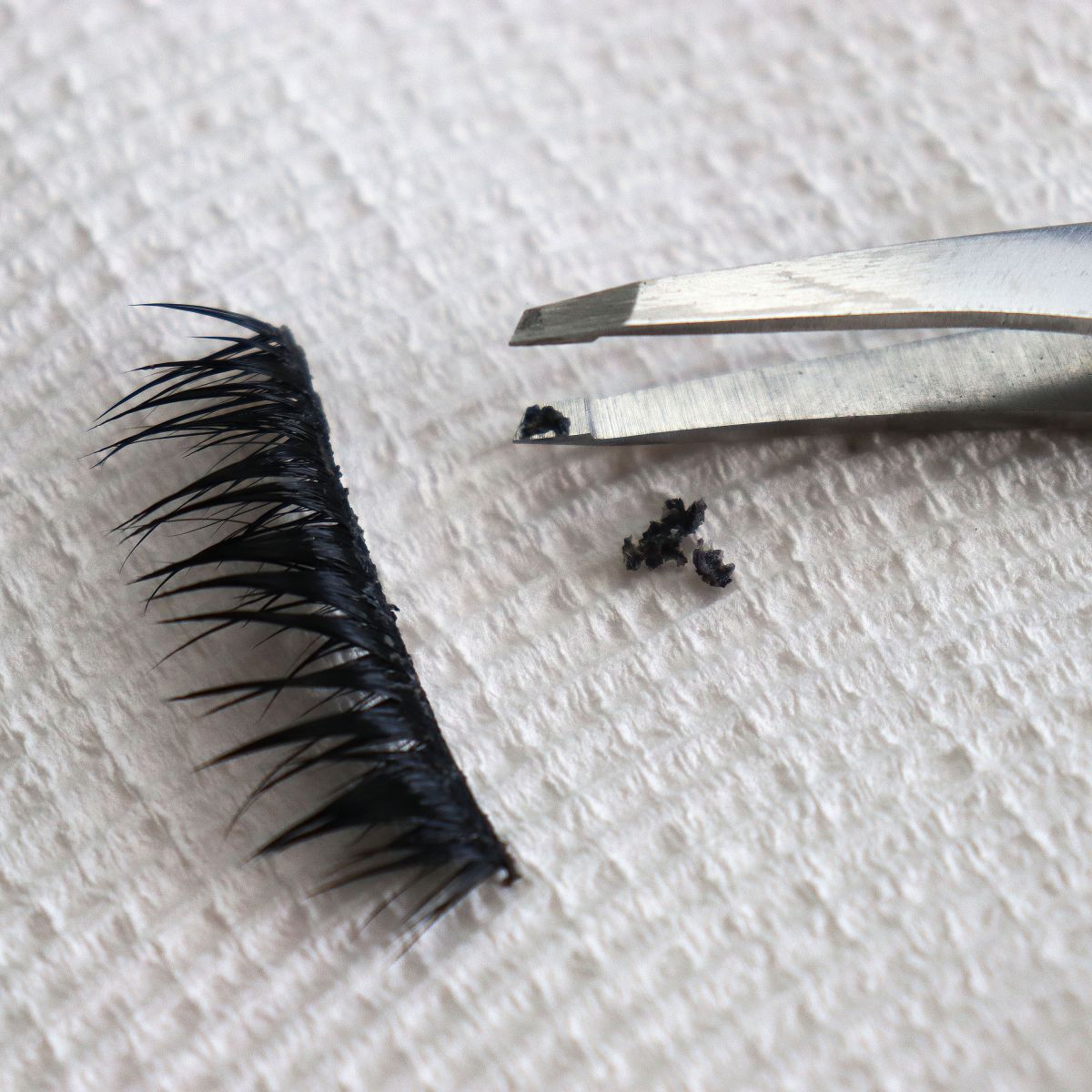
Place your lashes onto a paper towel and gently pat them dry with another sheet. Remove as much water as possible without pressing too firmly. Once mostly dry, brush through them again to remove any remaining debris and restore their fluffy shape. Pro tip: Proper drying helps prevent lashes from becoming stiff or clumpy.
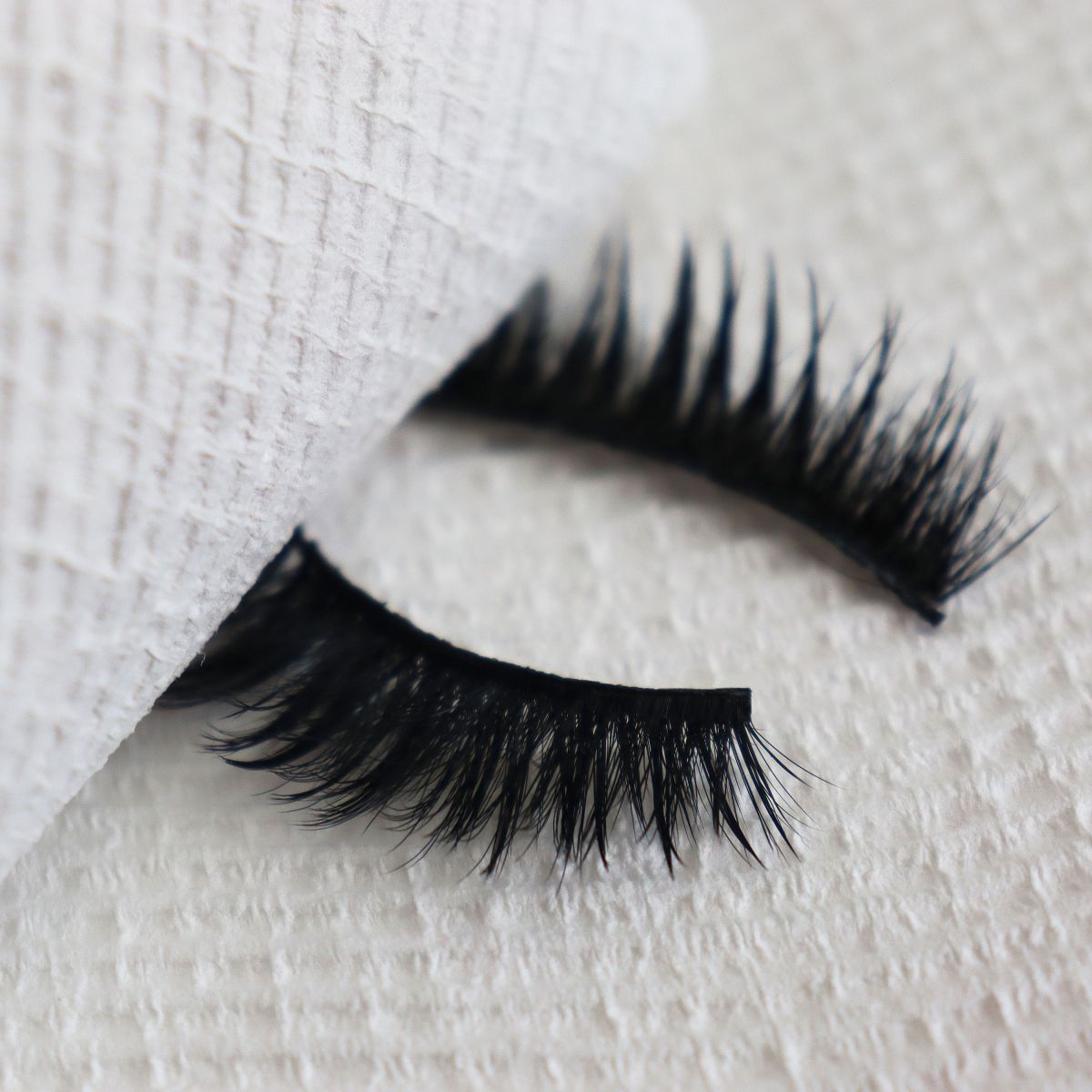
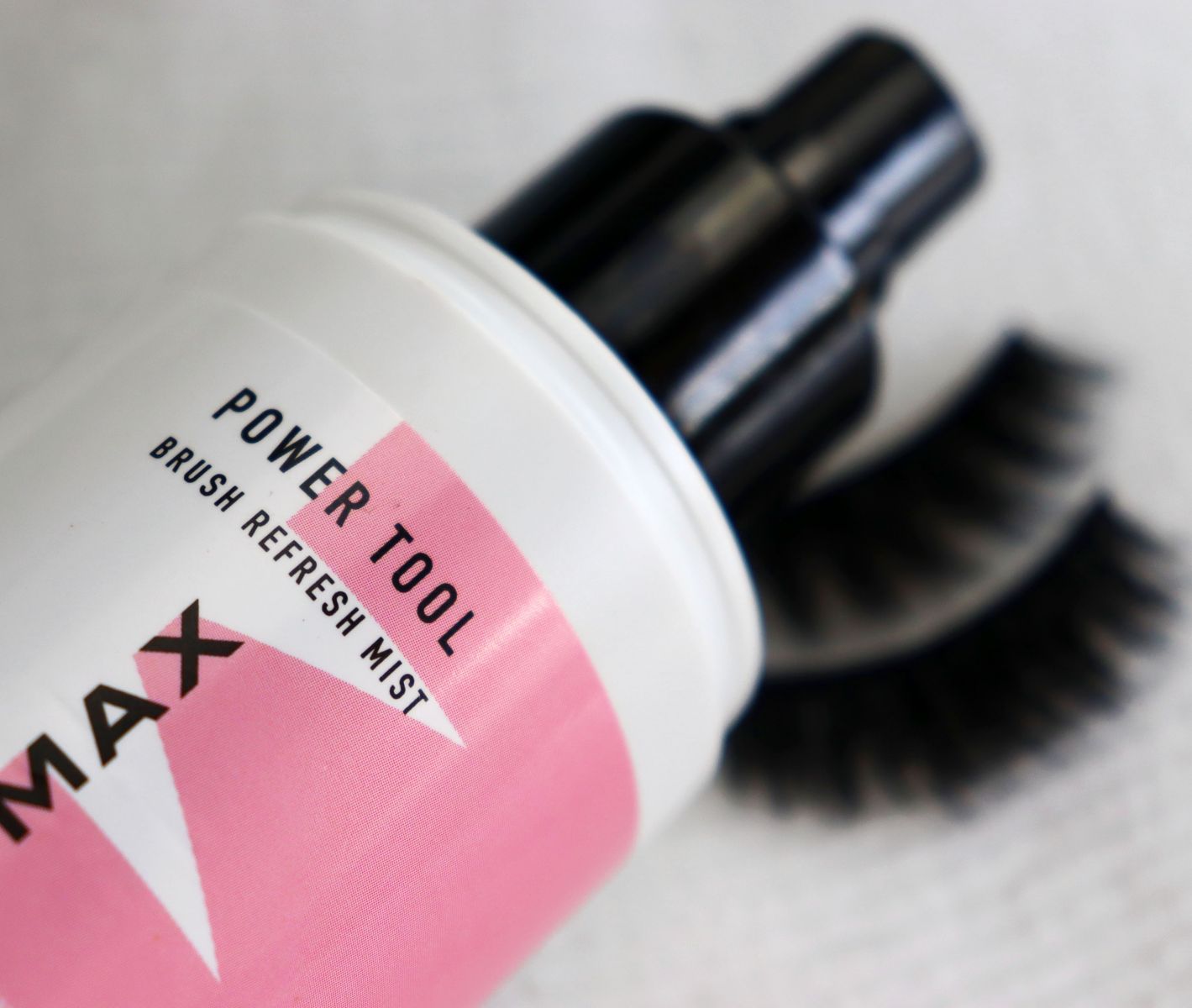
For an extra level of cleanliness, lightly mist your lashes with a sanitising spray or brush cleaner. Brush through them again to distribute the product evenly and maintain softness. Pro tip: Avoid sprays with high alcohol content as they can dry out delicate lash fibres.
After cleaning, lashes may lose their curve. Place them back into their original packaging to reshape the band and store them safely. If needed, use a small amount of lash glue on the ends to help them sit in place. Brush through once more while they are in the tray. Pro tip: Slightly bend your mascara wand to reach difficult areas more easily.
Not all lashes should be cleaned in the same way. Adjust your method depending on the lash material.
| Lash Type | Cleaning Method | Key Tips |
| Synthetic lashes | Full soak and brush method | Durable and suitable for regular cleaning |
| Silk lashes | Gentle soak with minimal brushing | Handle lightly to maintain softness |
| Mink lashes | Minimal moisture and handling | Focus mainly on glue removal |
| Magnetic lashes | Do not soak | Clean magnets carefully with a cotton tip |
| Cluster or individual lashes | Spot clean only | Avoid soaking to maintain structure |
Strip lashes generally handle the full cleaning method well, while more delicate styles require a lighter approach.
False lashes will not last forever, even with proper care. It is important to recognise when they should be replaced. Replace your lashes if you notice the band is lifting or warped, fibres are falling out, the lashes no longer hold their shape, there is visible buildup that cannot be removed, or there is any irritation when wearing them.
Maintaining good hygiene is essential. Wearing old or unclean lashes can introduce bacteria near the eyes and increase the risk of irritation. As a general guide, high quality lashes can be reused up to ten to twenty times with proper care, while more delicate styles may last for fewer uses.
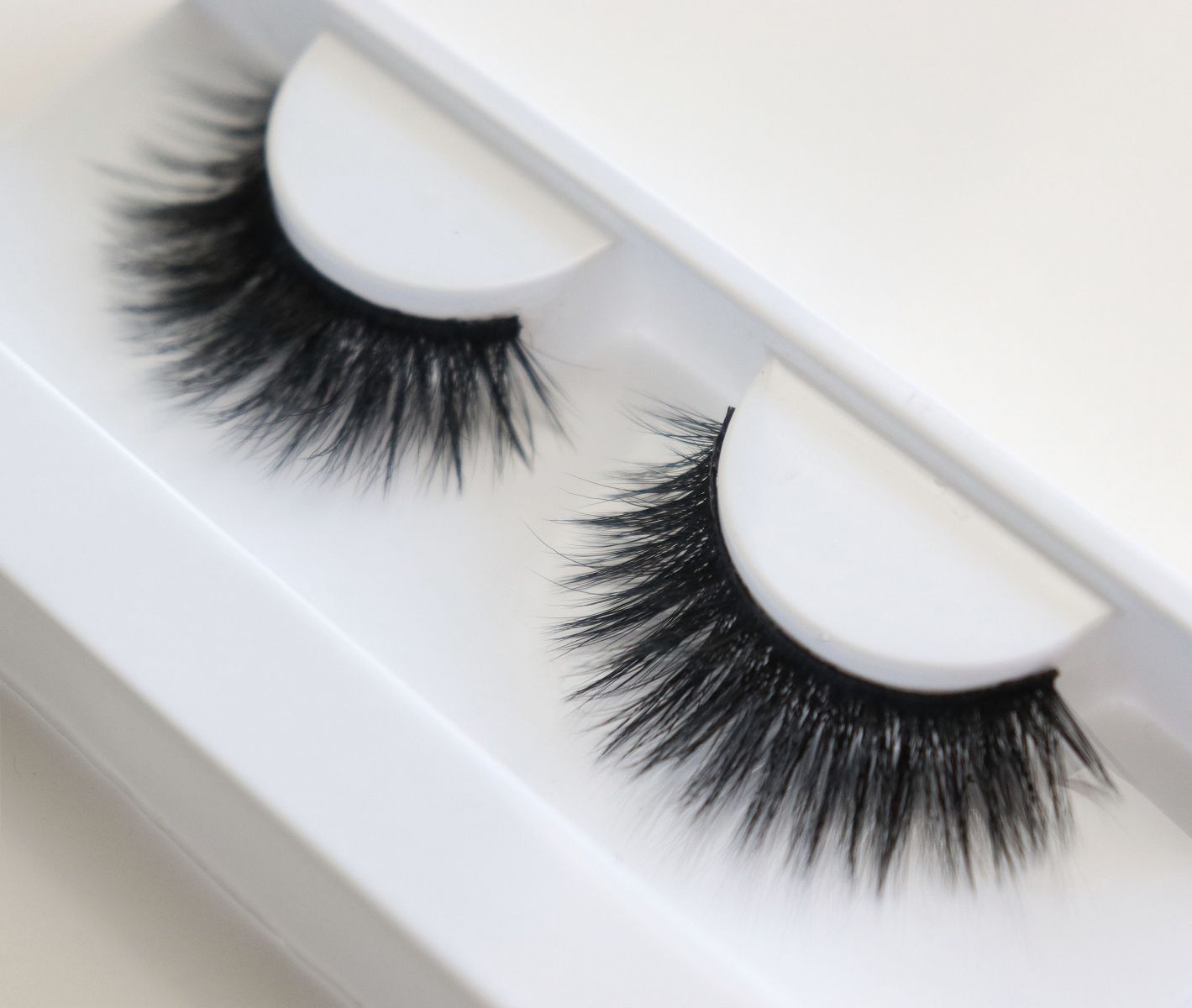
The easiest way to clean false lashes is to soak them in warm water with a gentle cleanser, then brush away makeup and remove softened glue with tweezers. This method is simple, effective, and helps prevent damage.
You do not need specialised products, as a gentle cleanser works well. However, dedicated lash cleaning products or sanitising sprays can improve hygiene and help extend the lifespan of your lashes.
Cleaning false lashes usually takes between ten and fifteen minutes, including soaking, brushing, glue removal, and drying. It is a quick process that makes a noticeable difference in longevity.
Yes, false lashes can be reused multiple times if they are cleaned and stored correctly. High quality lashes are designed to withstand repeated use with proper care.
Common mistakes include pulling glue too aggressively, using harsh products, skipping cleaning, and storing lashes incorrectly. These can all reduce the lifespan of your lashes.
Yes, cleaning false lashes at home is simple and suitable for beginners. By following a gentle step by step process, you can maintain your lashes safely without professional tools.
Learning how to clean false lashes properly is a simple way to improve your beauty routine. With the right approach, you can maintain their shape, extend their lifespan, and keep them comfortable to wear.
MRL0110,MRL1759,MRL6609,MRL1834,MRL2855,MRL1865,MRL2886,MRL0585
