September 30, 2026
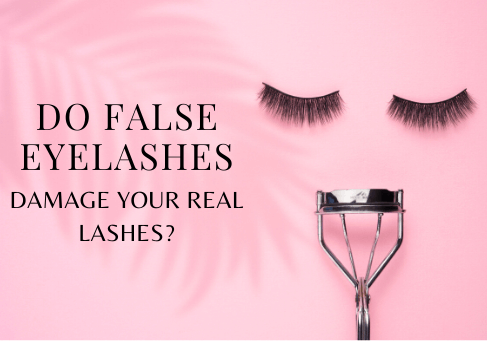
No - false eyelashes do not damage your natural lashes when they are applied, worn and removed correctly. Damage comes from four specific mistakes: gluing the band onto the lash hairs instead of the eyelid skin, wearing heavy low-quality bands that strain the lash line, peeling lashes off before the adhesive has been softened, and skipping cleaning between wears. Salon extensions carry more risk than strip lashes because they bond directly to individual natural hairs.
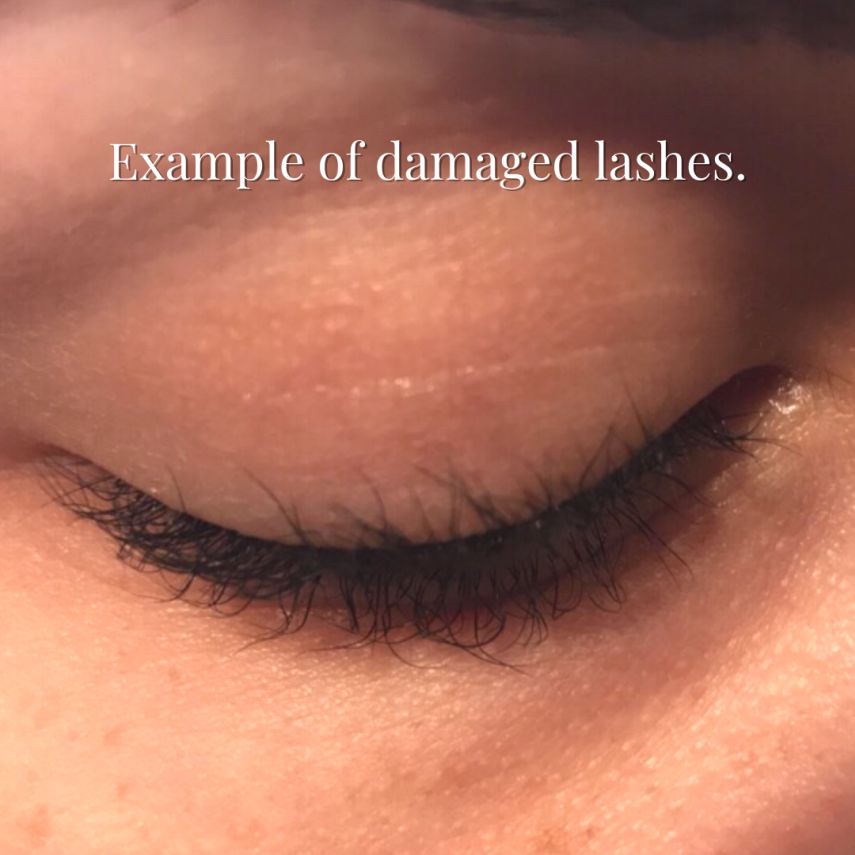
The short answer: No, false eyelashes will not damage your real lashes when applied, worn, and removed correctly.
However, improper technique or poor-quality materials can cause problems like:
Damage often happens when falsies are:
Choosing lightweight, flexible lashes - like MODELROCK's - minimises any pressure on your lash line and helps maintain healthy, natural lashes. So if you’ve been asking "do fake lashes damage real lashes?", remember: it's not the lashes themselves that cause harm - it's how you handle them.
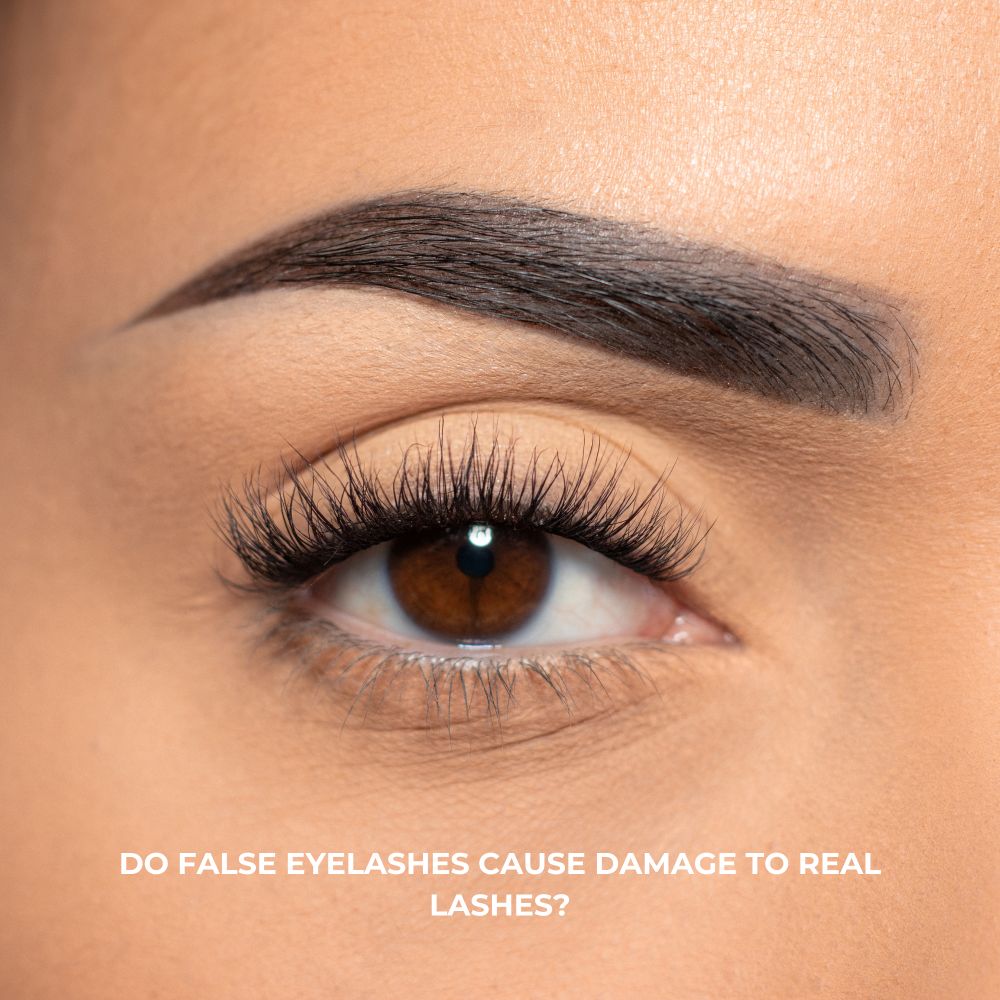
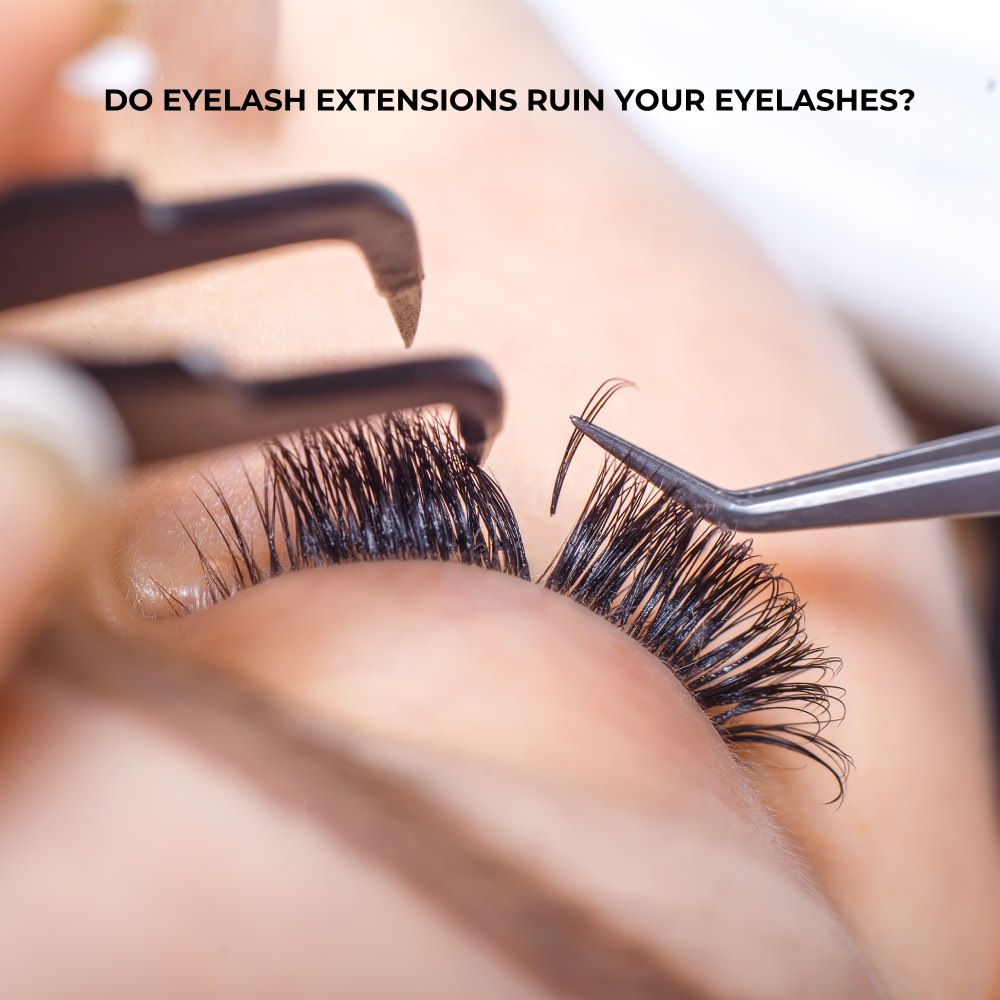
Lash extensions and false lashes are different—and so are the risks involved.
Here’s why lash extensions can cause damage:
Strip lashes are much gentler because they:
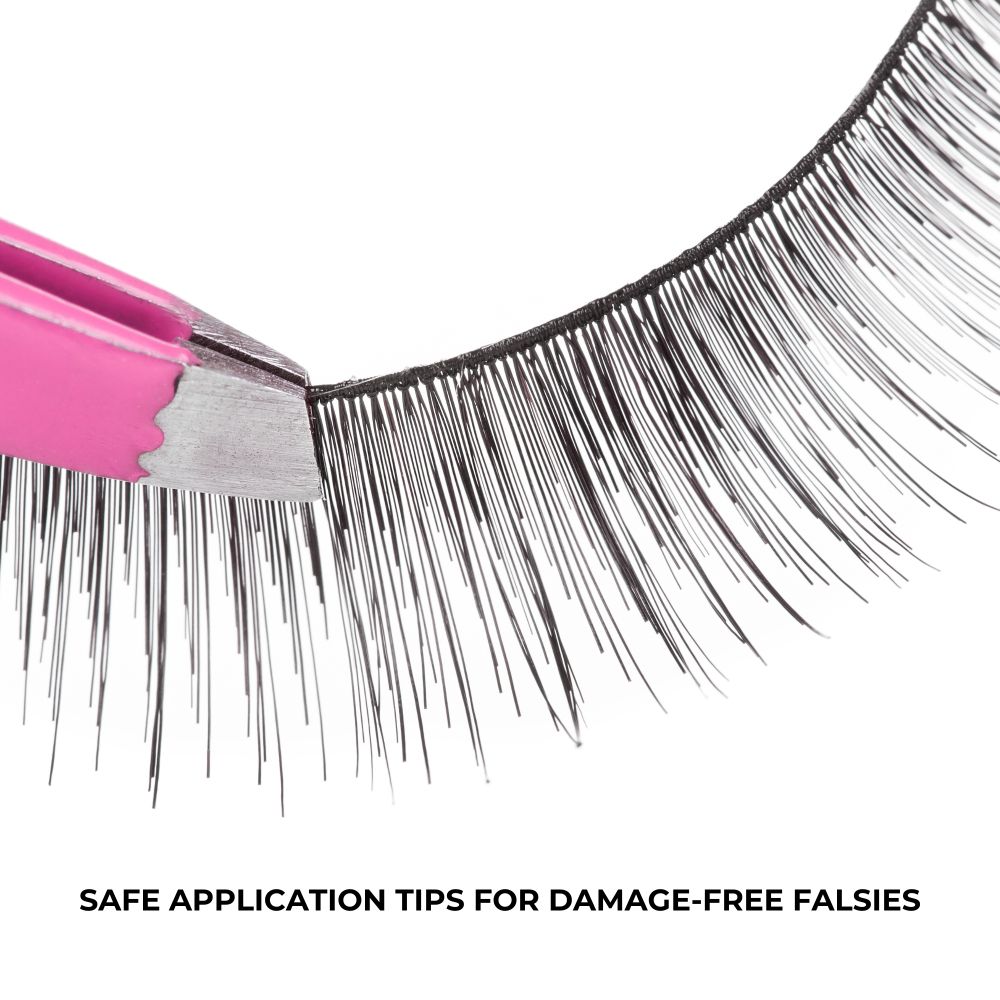
Applying false lashes the right way is the best way to protect your natural ones. Here's how to do it safely
Choose adhesives formulated for eye use. Look for:
MODELROCK's latex-free lash adhesives are designed for maximum hold with minimal irritation.
In Australia, cosmetic ingredients including lash adhesives are regulated under AICIS, the Australian Industrial Chemicals Introduction Scheme. Checking that an adhesive is latex-free and formaldehyde-free is still worth doing, particularly with imported products bought through overseas marketplaces.
The lash strip should be applied to the skin of your eyelid, just above your natural lash line—not attached to your lashes themselves. Gluing directly onto lashes can block hair follicles, cause breakage, and inhibit future lash growth.
Rough removal is the number one reason people experience natural lash loss from falsies.
Wearing salon extensions instead? Here’s how to safely remove eyelash extensions.
False lashes can harbour bacteria if not cleaned between uses. Cleaning your lashes keeps your eyes healthy and preserves the integrity of your falsies. Check out our full guide: How to Clean Your Lashes for pro tips!
Also never share your lashes with others! We all harbour bacteria and what is harmless to someone can set off an extreme reaction in another. To avoid cross-contaminating yourself and others, keep your own set of lashes.
For an in-depth tutorial on how to apply lashes, check out our article How To Apply Lashes!
A few daily habits can help your lashes stay full and healthy—even if you love wearing falsies:
A healthy lash cycle (typically 6–8 weeks) depends on good care practices.
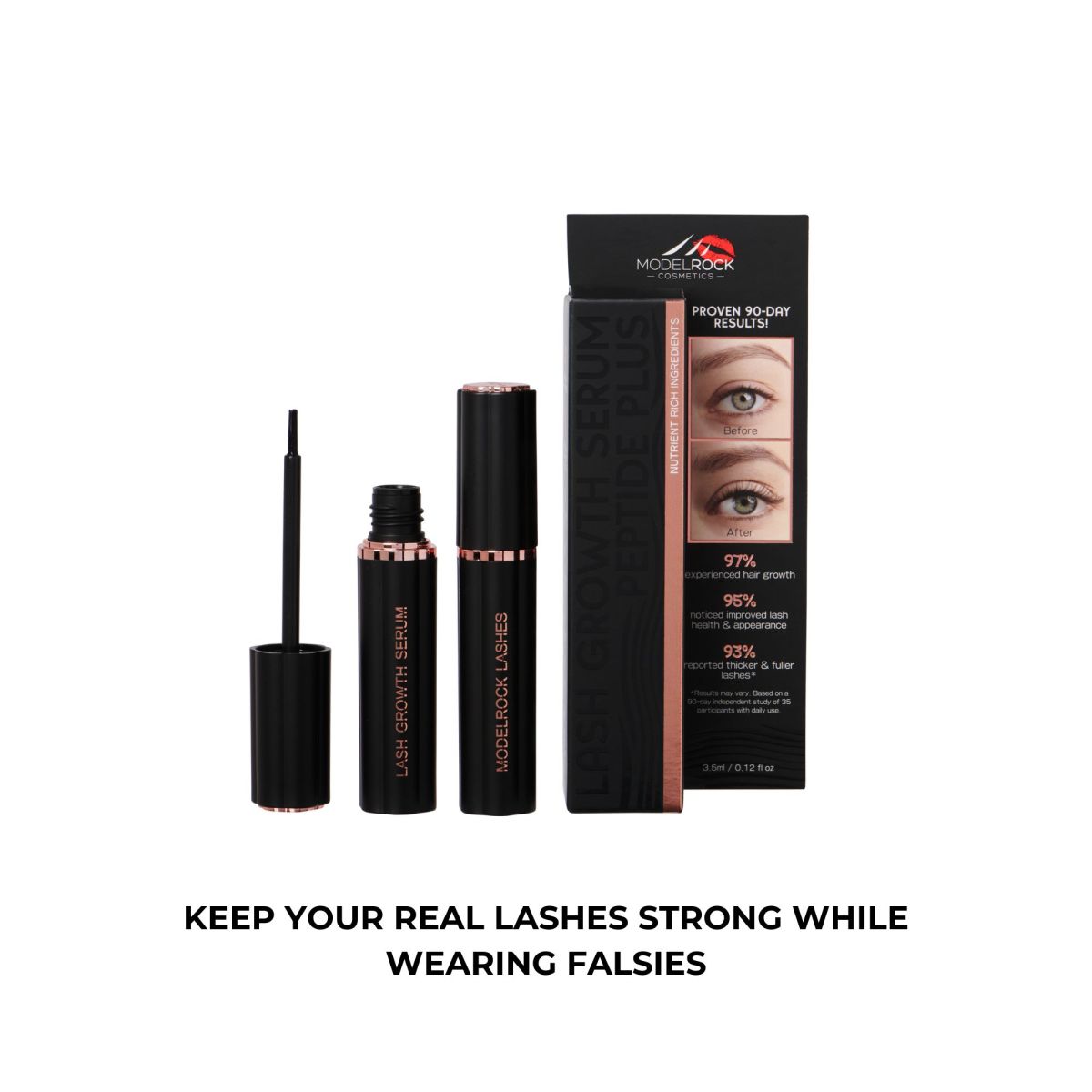
At MODELROCK, we’re passionate about designing lashes that work with your natural beauty—not against it.
Here’s why our lashes are a better, safer choice:
When you invest in quality lashes and adhesives, you’re not just enhancing your look—you’re protecting your long-term lash health too. Explore our lightweight MODELROCK lashes.
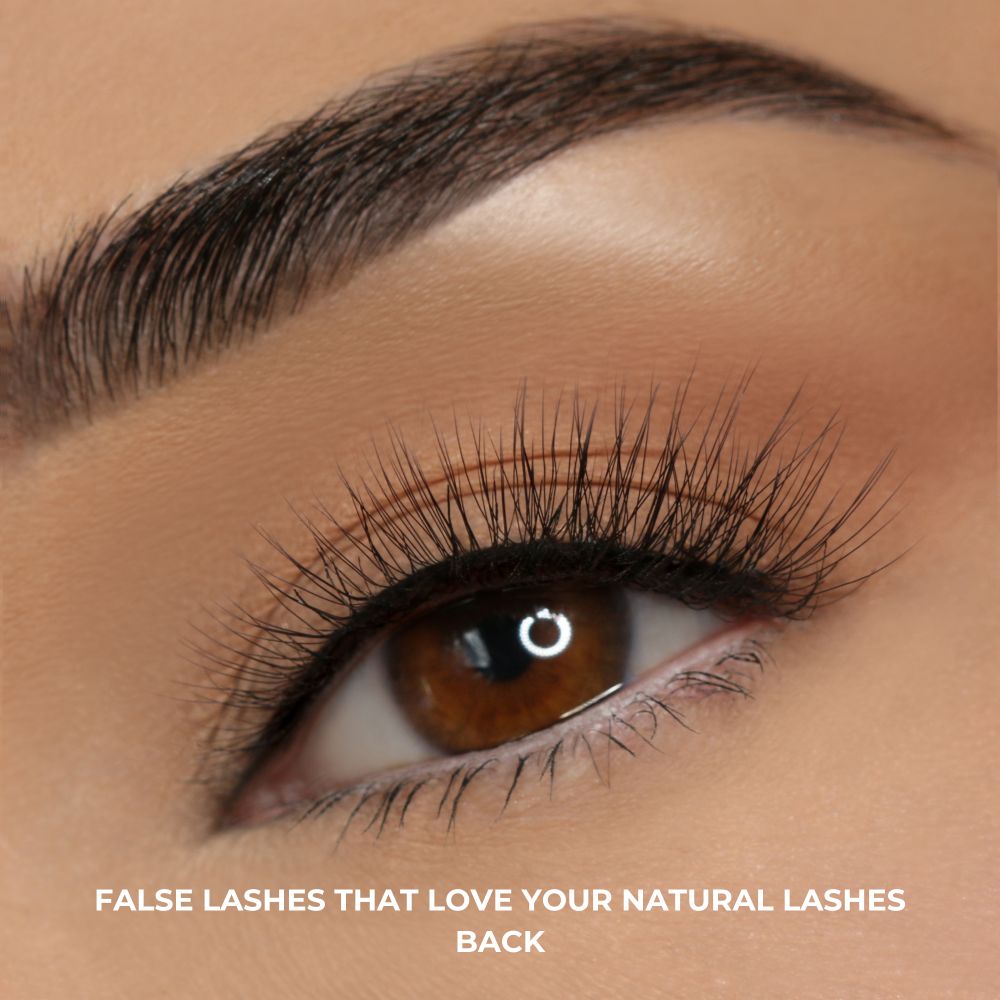
No, not when they are applied, worn and removed correctly. Damage comes from technique and product quality, not from wearing falsies.
Extensions carry more risk than strip lashes because they bond to individual natural hairs. Weight stress, adhesive build-up, poor aftercare and constant tension can all weaken the natural lash.
The most common cause is rough removal - peeling the strip off before the adhesive has been softened. Gluing the band onto the lash hairs rather than the eyelid skin is the second.
Take short breaks between back-to-back wears so the natural lash cycle, which runs about 6 to 8 weeks, can complete undisturbed.
Look for latex-free and formaldehyde-free adhesives formulated for eye use. MODELROCK's lash adhesives are latex-free and designed for maximum hold with minimal irritation.
The verdict:
False lashes are perfectly safe—as long as you’re using good-quality products, applying them correctly, and being gentle with your natural lashes. Damage usually happens when lashes are applied or removed poorly, not because falsies themselves are harmful. For more myth-busting, see our guide to common eyelash myths: facts vs fiction.
.jpg)
Ready to lash without the worry?
Explore MODELROCK’s range of high-quality false lashes and safe adhesives to achieve stunning, damage-free glam today!
If you are wondering how to clean false lashes properly, the key is to be gentle, consistent, and use the right tools to...