September 24, 2026

There’s nothing more heartbreaking than a foundation that looks flawless in the bottle… but suddenly gives Oompa Loompa in the car mirror. We’re officially past the heavy-duty cake era. Welcome to skin-first makeup. Whether you’re vibing with a “Clean Girl” tint, embracing skinimalism, or going full-glam for a night out, it all starts with one thing: choosing the right foundation.
Prices shown in AUD. Ships Australia-wide.
This is your step-by-step guide to help you choose the right foundation, find the correct foundation shade, and match your base like a pro, without the guesswork.
Match depth and undertone together, and test in the right place. First, work out your undertone: blue or purple wrist veins indicate cool, green indicates warm, and a mix indicates neutral. Second, swatch three shades in a vertical stripe along the jawline, never on your arm, since your forearm is a different tone from your face and neck. Third, wait ten minutes before you decide. Many formulas oxidise slightly on contact with skin and settle a half-step darker or warmer than they first appear, which is the single most common reason a foundation looks correct in store and orange in the car. The shade that disappears into your jaw after ten minutes is your match.
You can have the perfect shade match, but if the formula is wrong for your skin type, it will never look right. Foundation should work with your skin, not fight it.
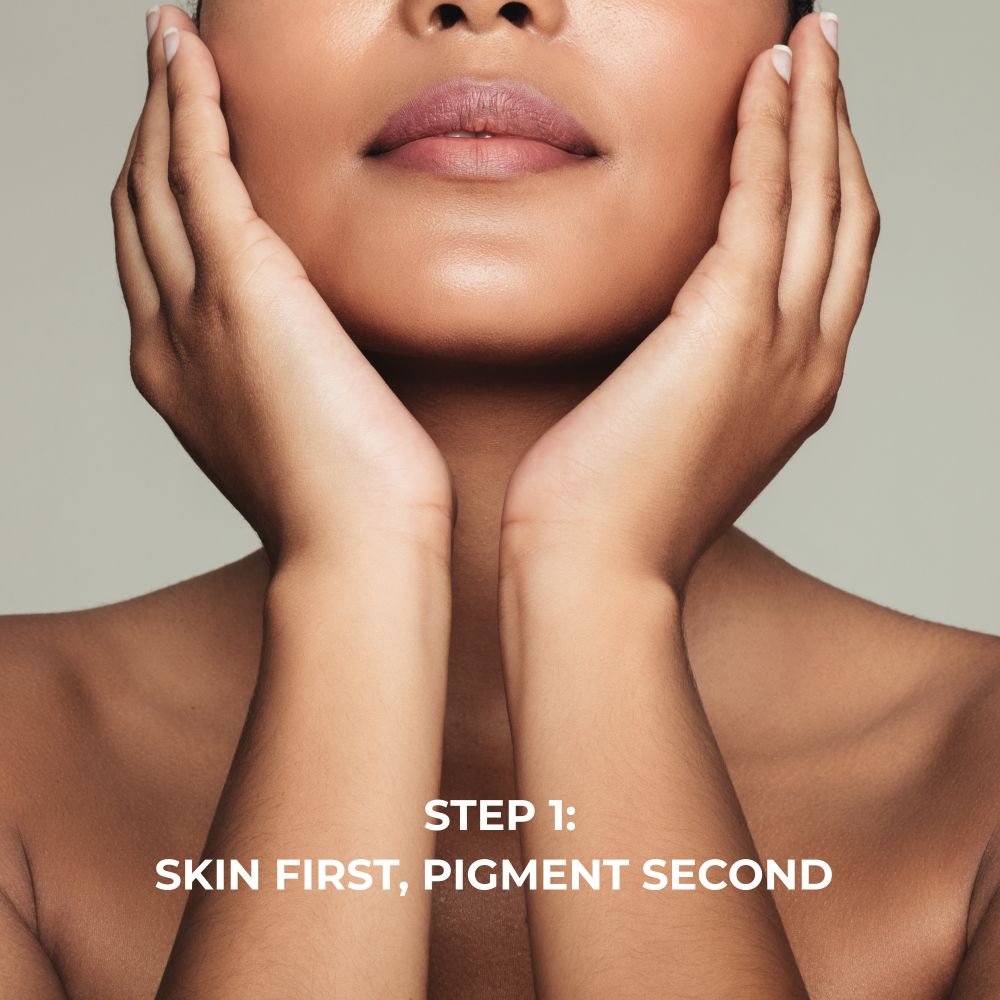
Remember: the best foundation for your skin type will always look more natural than the wrong formula in the perfect shade. Browse our face makeup and foundations.
Here’s the technical tea: matching foundation to skin tone is 50% about depth (light to deep) and 50% about undertone. Foundation undertones determine whether your base blends seamlessly or looks slightly “off”.
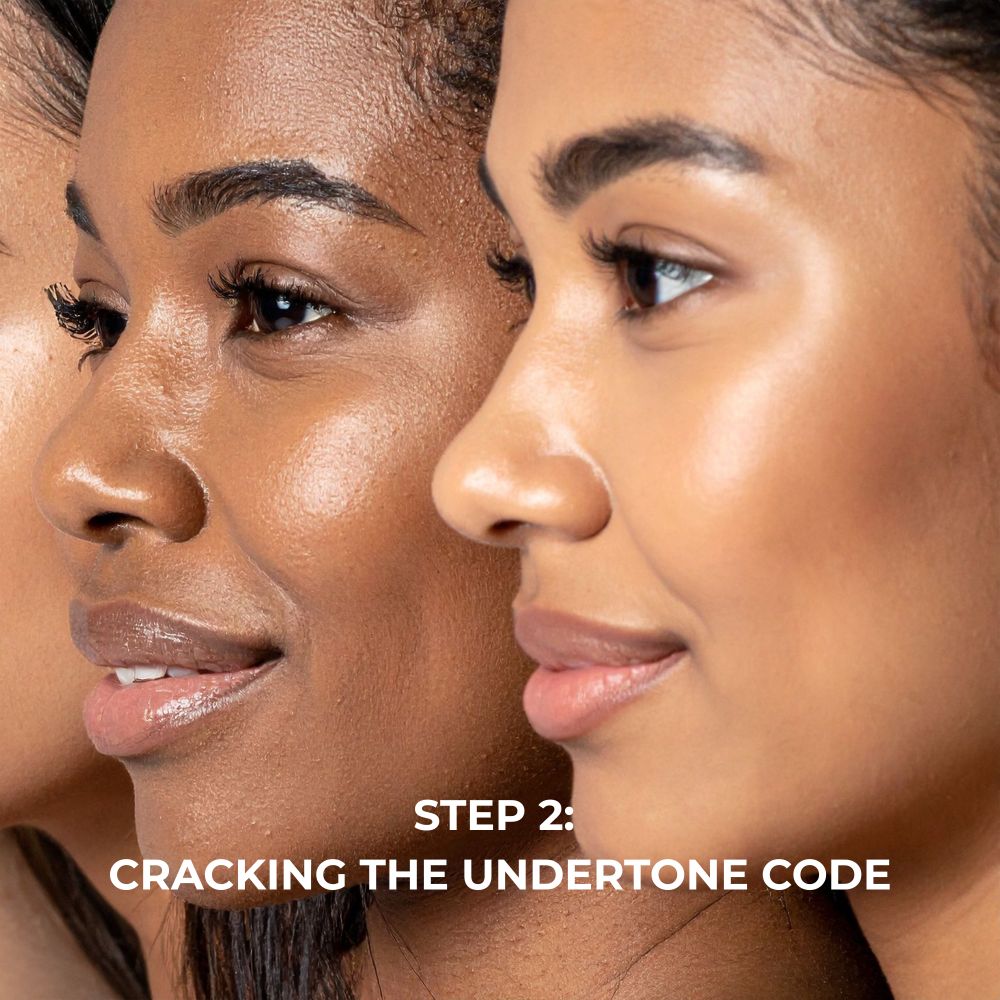
Hold a crisp white top to your face.
Once you know your undertone, finding the correct foundation shade becomes infinitely easier.
Let’s clear something up. Stop Swatching Your Arm. Your forearm is a lie. Your face and neck usually have different sun exposure levels, which means your arm shade won’t accurately match your complexion.
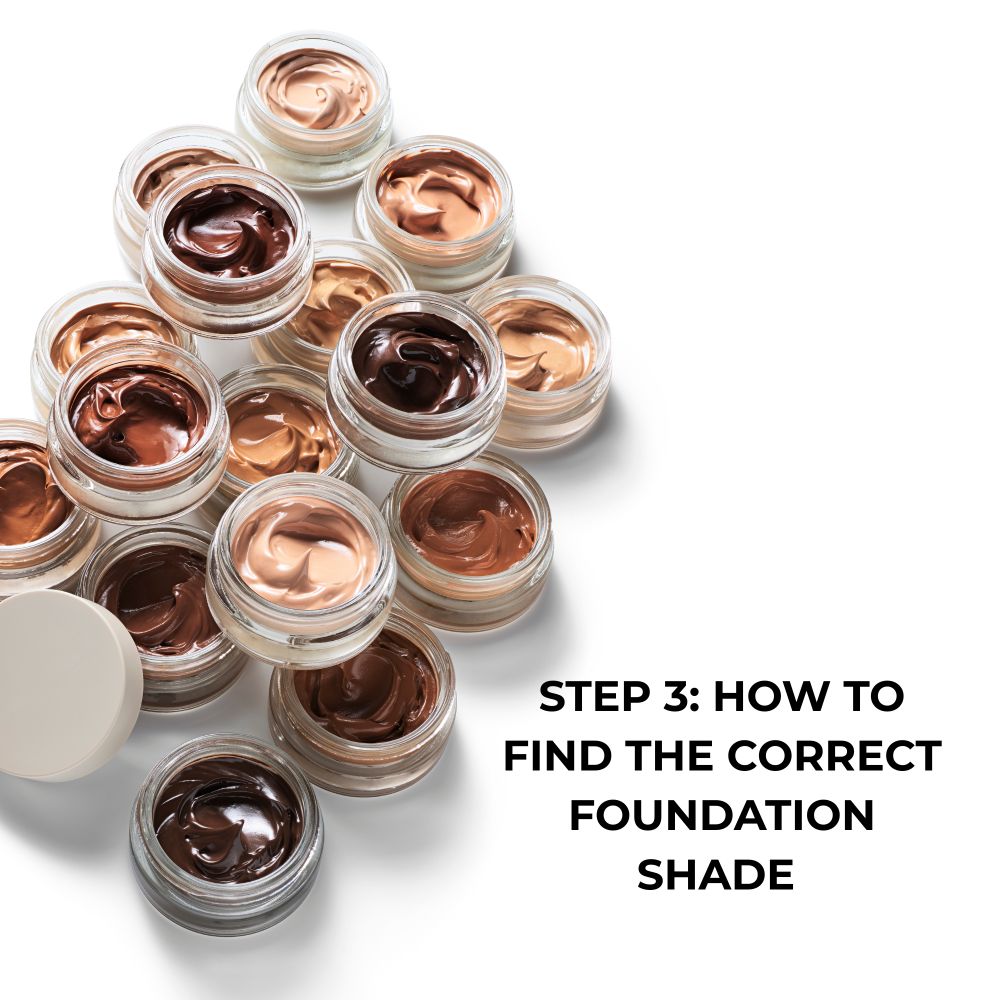
Foundation can oxidise (aka turn darker or more orange). Let your swatches sit for at least 10 minutes before deciding. If it still blends seamlessly after that? Add to cart.
Two things Australian buyers should plan for. First, most people need two shades - a summer depth and a winter one - because UV exposure here shifts skin depth more than it does in milder climates. Second, foundation SPF is not sun protection. The amount you would need to apply to reach the labelled rating is several times what anyone wears, so a dedicated sunscreen underneath is still required.
The industry has evolved and so have formulas. We’re seeing the rise of hybrid complexion products that blur the line between skincare and makeup (hello, skinimalism). Weighing up finishes? Read our guide to dewy vs matte makeup.
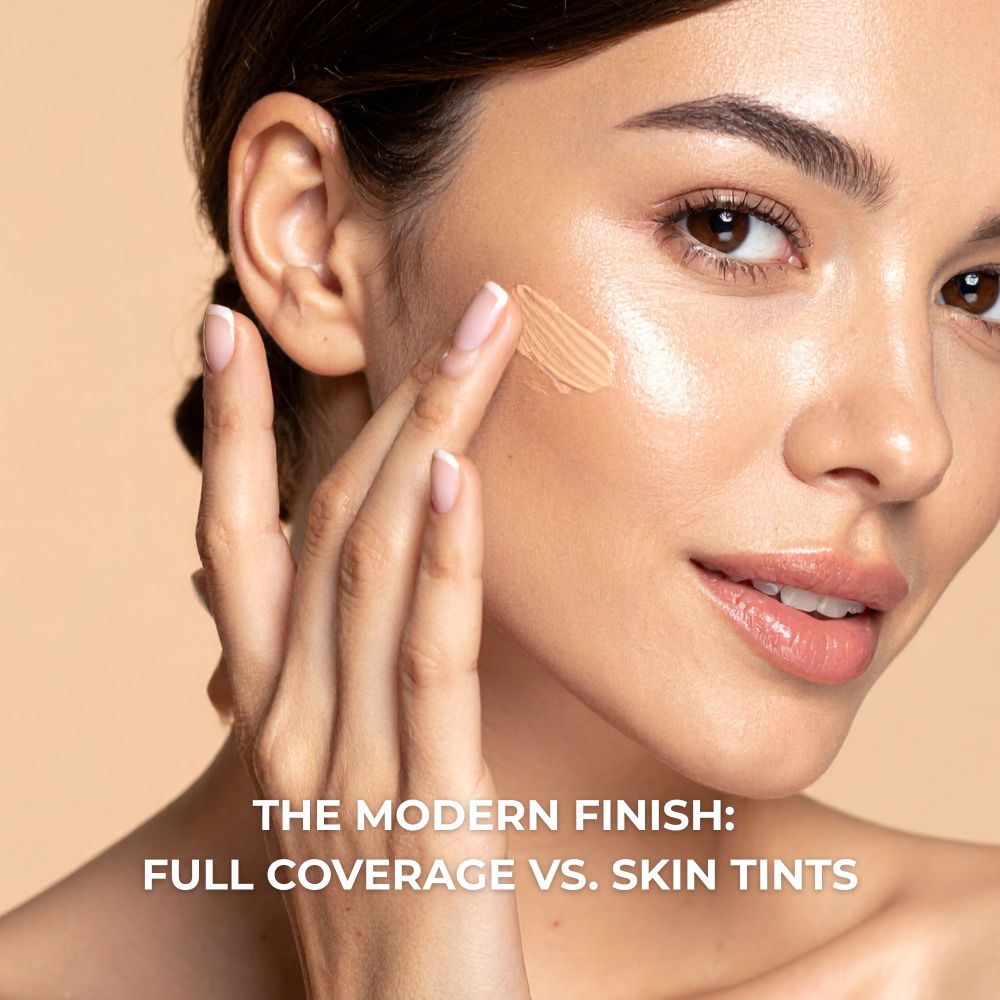
Here’s how to choose:
Prep is Queen: Foundation only looks as good as the skincare underneath. Cleanse, moisturise, and prime for your skin type before applying your base.
Lighting Is Everything: Never trust department store lighting. Check your foundation in natural sunlight before committing.
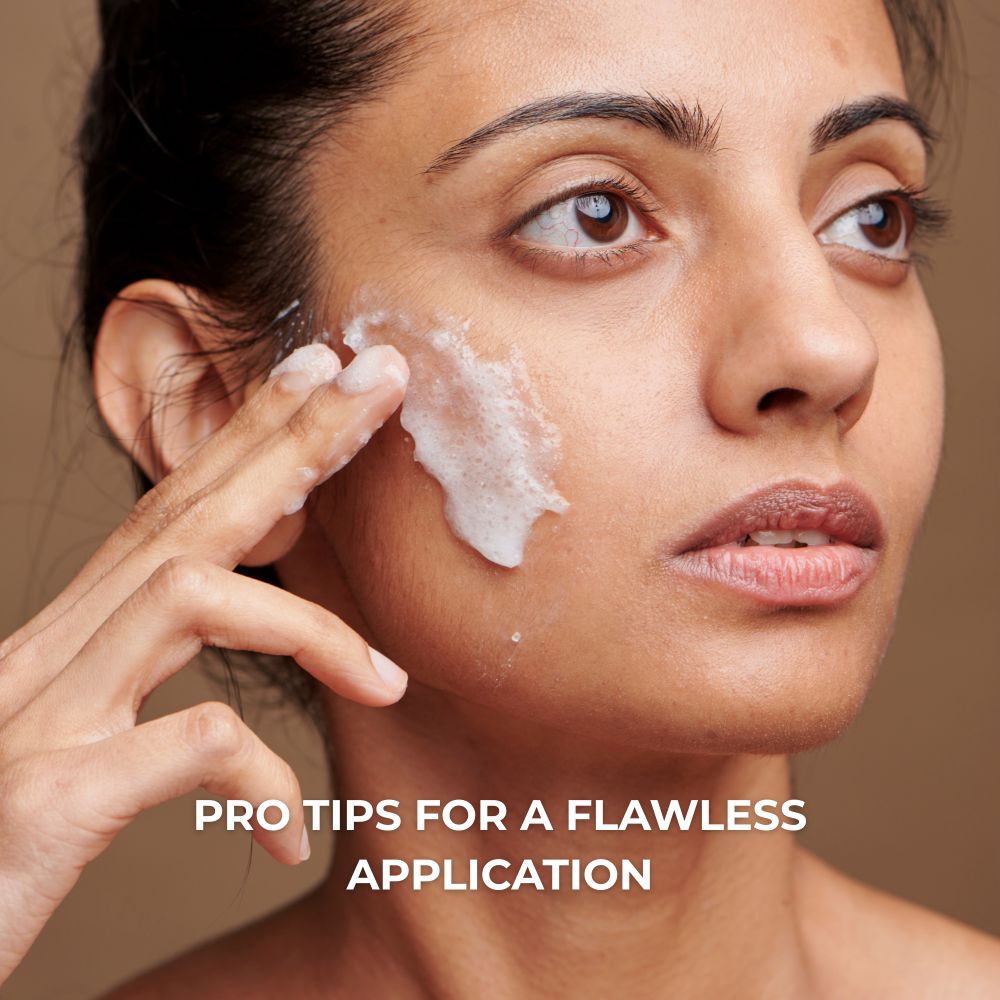
Application can completely change how your foundation looks, so experiment to find your sweet spot. Complete your base with concealers and setting sprays.
Test on your jawline, never your arm, and let it sit for 10 minutes before deciding, because many formulas oxidise and darken slightly. Match depth and undertone together.
Three quick checks: blue or purple wrist veins indicate cool, green indicates warm, a mix indicates neutral. Against a white t-shirt, yellow-looking skin is warm and pink-looking skin is cool. If you burn easily you are likely cool; if you tan quickly, warm.
Soft-matte or oil-balancing formulas. Modern mattes blur pores while keeping dimension, so the result is controlled glow rather than a flat finish.
Almost always an undertone mismatch rather than a depth mismatch - a warm formula on cool or neutral skin. Oxidation over the first 10 minutes can make this worse, which is why the wait test matters.
Finding the foundation for your skin type is a journey, not a one-time decision. Your shade may shift between summer and winter, and that’s normal. Don’t be afraid to mix two shades to customise your perfect match year-round.
The real goal? Skin that looks like your skin, just elevated.
Now that your foundation is sorted, it’s time to enhance that base. Shop our Makeup Brushes or explore our Face Palette Collection to complete your glow.
We hope these tips and tricks help you mind the best foundation to suit you! Let us know in the comments below what your undertone and skin type is!