November 02, 2026

Concealer is one of the most versatile products in your makeup bag. From covering dark circles and blemishes to brightening your complexion, sculpting your cheekbones and sharpening your eyeliner, knowing how to use concealer can transform your makeup routine. Whether you're a makeup beginner or a beauty enthusiast, the secret to getting the best results comes down to choosing the right shade, preparing your skin and applying your concealer with the right techniques.
In this guide, discover how to use concealer for different purposes, how to colour correct before applying concealer, how to cover dark circles and how to set your makeup for a smooth, long-lasting finish. Plus, explore trending concealer hacks to take your routine to the next level.
Choosing the right concealer shade makes a significant difference to your finished look. The best shade depends on whether you want to conceal imperfections, brighten your under-eyes or sculpt your features.
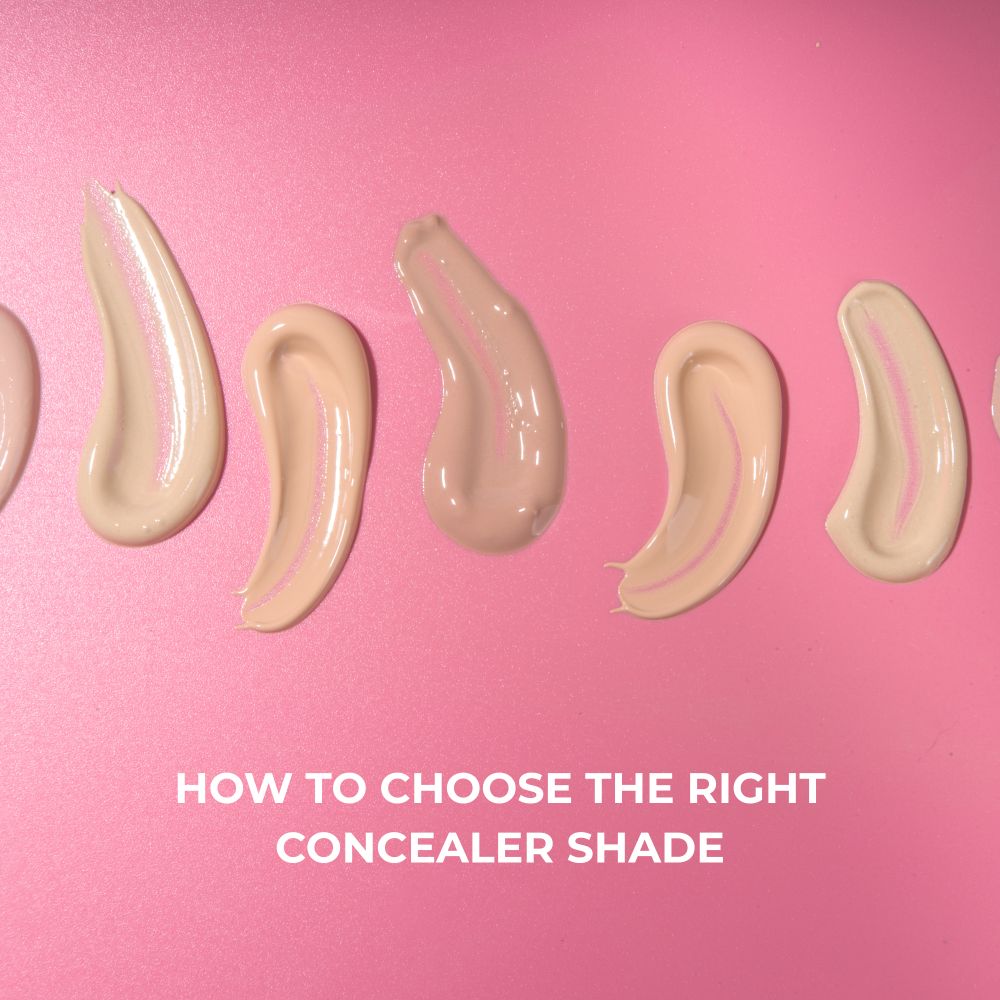
Choose a concealer that closely matches your skin tone or foundation. This helps spots and discolouration blend naturally into your complexion without drawing unwanted attention.
A concealer around one shade lighter than your skin tone can create a fresh, brightened effect. However, a shade that is too light may emphasise darkness or create a grey appearance.
If you have pronounced dark circles, consider colour correcting first.
Choose a concealer two to three shades darker than your skin tone for contouring and two to three shades lighter for highlighting. Blend carefully to create dimension without leaving obvious lines.
Your undertone affects how naturally a concealer blends into your skin.
Whenever possible, test your concealer in natural light to check that the shade complements your complexion.
If your under-eyes look blue, purple, brown or grey, applying a lighter concealer directly over the darkness may not provide the brightness you want. Colour correction helps neutralise unwanted tones before you apply your regular concealer.
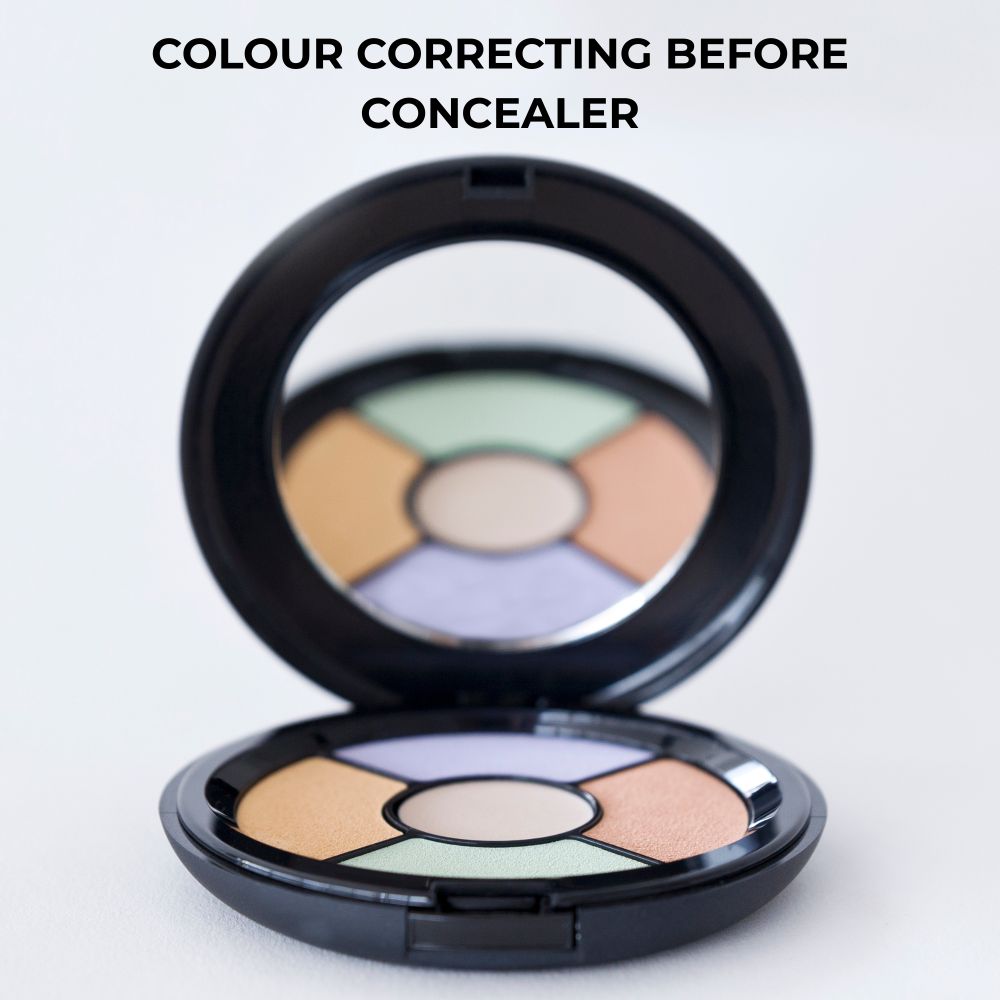
The right corrector depends on both your complexion and the colour you want to neutralise.
How to colour correct:
The goal is to neutralise darkness before brightening, rather than covering it with multiple thick layers of makeup.
Dark circles are completely normal and can be influenced by genetics, ageing, lack of sleep, allergies and pigmentation. The best approach is to create a smooth, brightened finish without covering the entire under-eye area with heavy concealer.
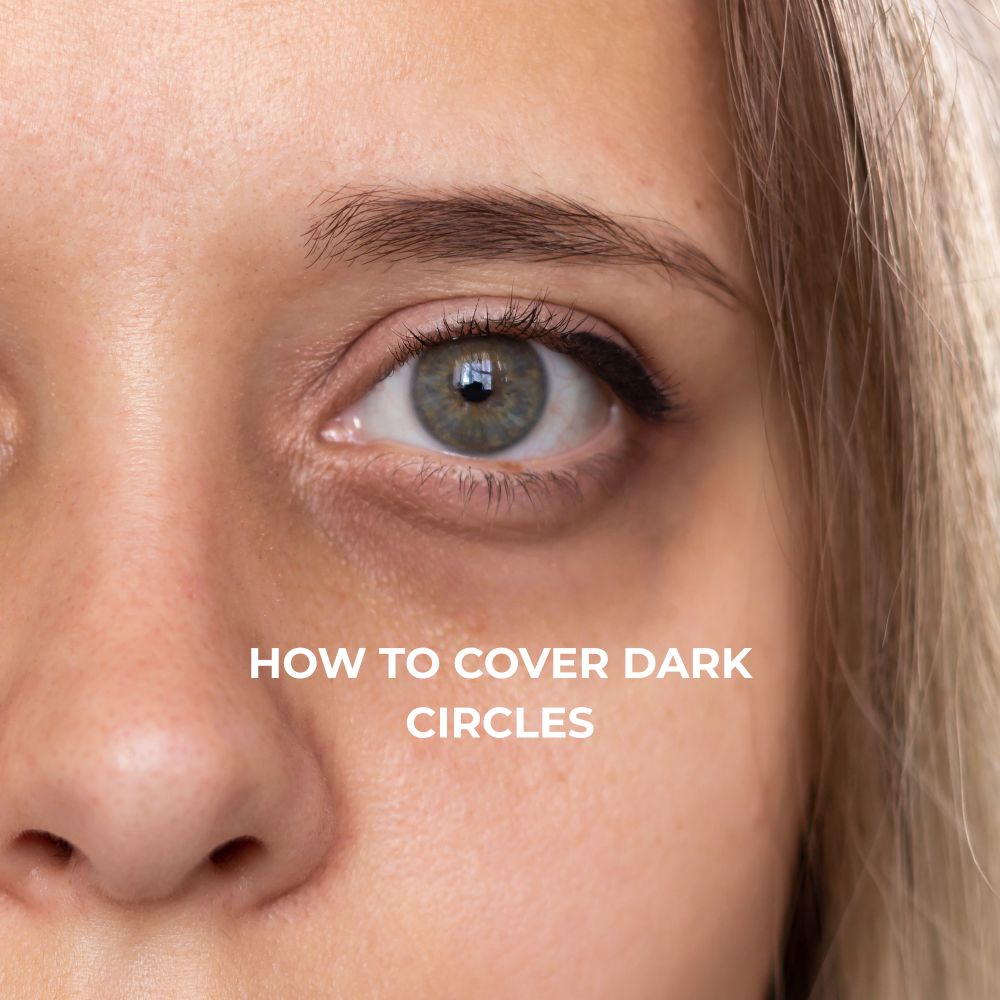
The products you apply before concealer can make a real difference to how your makeup looks and lasts. Dryness and excess skincare can both contribute to creasing.
How to prep your under-eyes:
Look for eye creams that suit your skin's needs. Ingredients such as hyaluronic acid help hydrate the skin, while caffeine may temporarily improve the appearance of puffiness.
The aim is to create a comfortable, hydrated base without leaving too much product on the skin.
Modern under-eye concealer techniques focus on strategic placement and thin layers. You do not need to cover the entire area to create a brighter appearance.
Follow these steps:
Choose a concealer around one shade lighter than your skin tone, provided it complements your undertone. If the finish looks grey or too pale, try a closer skin-tone match or correct the darkness before applying concealer.
Pro tip: Let your concealer sit for around 30 seconds before blending if you want to build coverage with less product. Adjust the timing to suit your formula.
Setting concealer helps reduce creasing and keeps your makeup looking fresh. The key is using the right amount of powder and applying it only where needed.
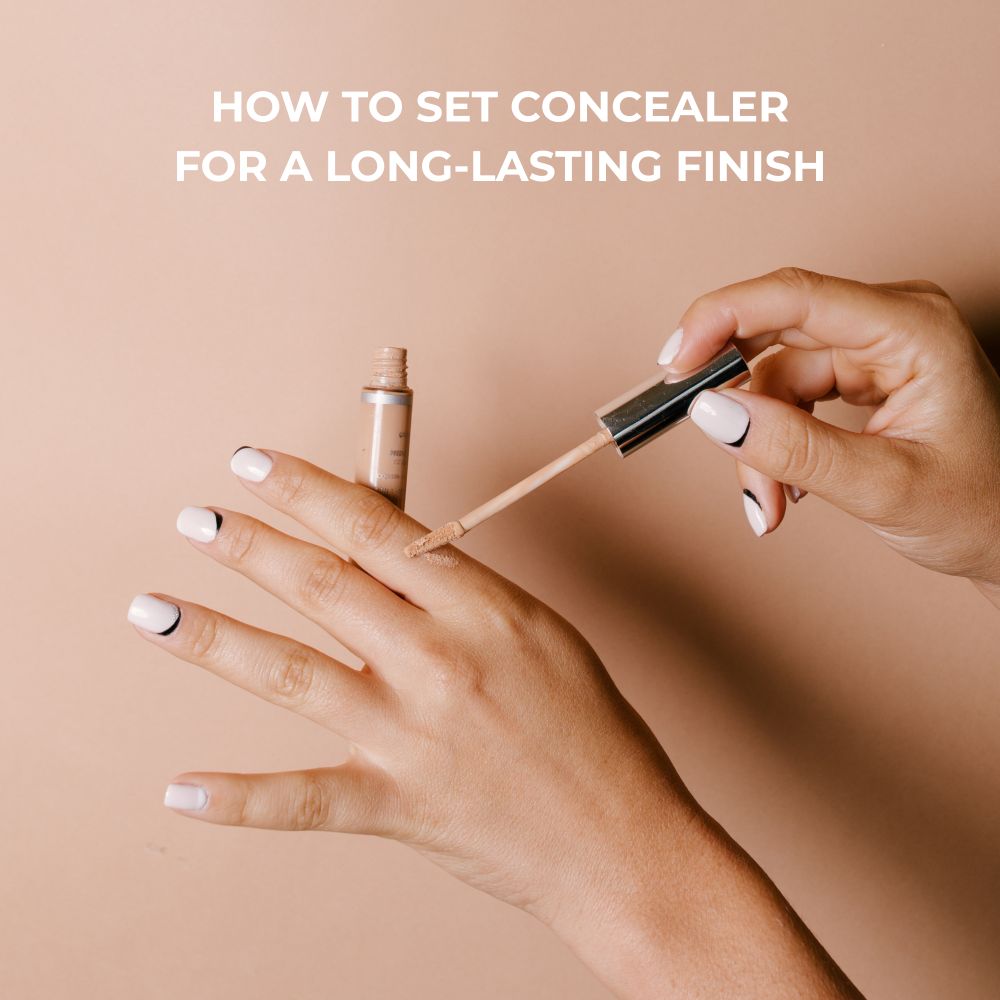
If your under-eyes are dry, avoid applying too much powder, as this can emphasise texture and fine lines.
Pink-toned setting powder is a popular technique for adding a subtle brightening effect while setting concealer.
To try it, press a small amount of finely milled pink powder under your eyes using a soft puff or fluffy brush. Concentrate on areas that look dull and blend the edges carefully.
Use a light hand to avoid a heavy finish, particularly if your skin is dry.
Once you've mastered the basics, try these techniques to customise your concealer application.
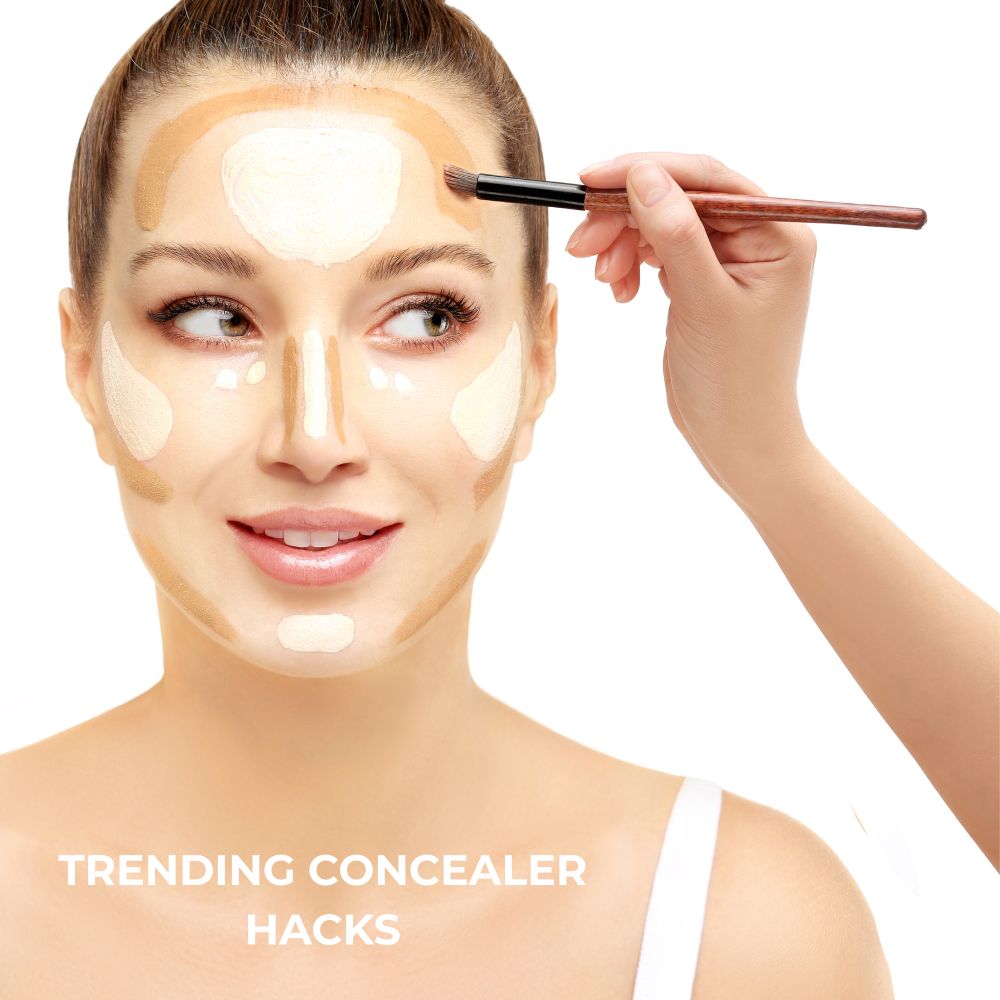
Underpainting involves applying selected complexion products, such as contour and colour corrector, before foundation. This can create a softer, more blended finish.
How to try it:
Keep the layers thin to avoid moving the products underneath.
The ombre concealer technique uses two shades to create a subtle gradient of brightness under the eyes.
This technique adds dimension while avoiding the overly bright effect that can occur when one very light concealer is applied across the entire under-eye area.
Concealer is a useful tool for creating clean, defined brows. After filling in your brows, use a small amount of concealer to tidy the edges.
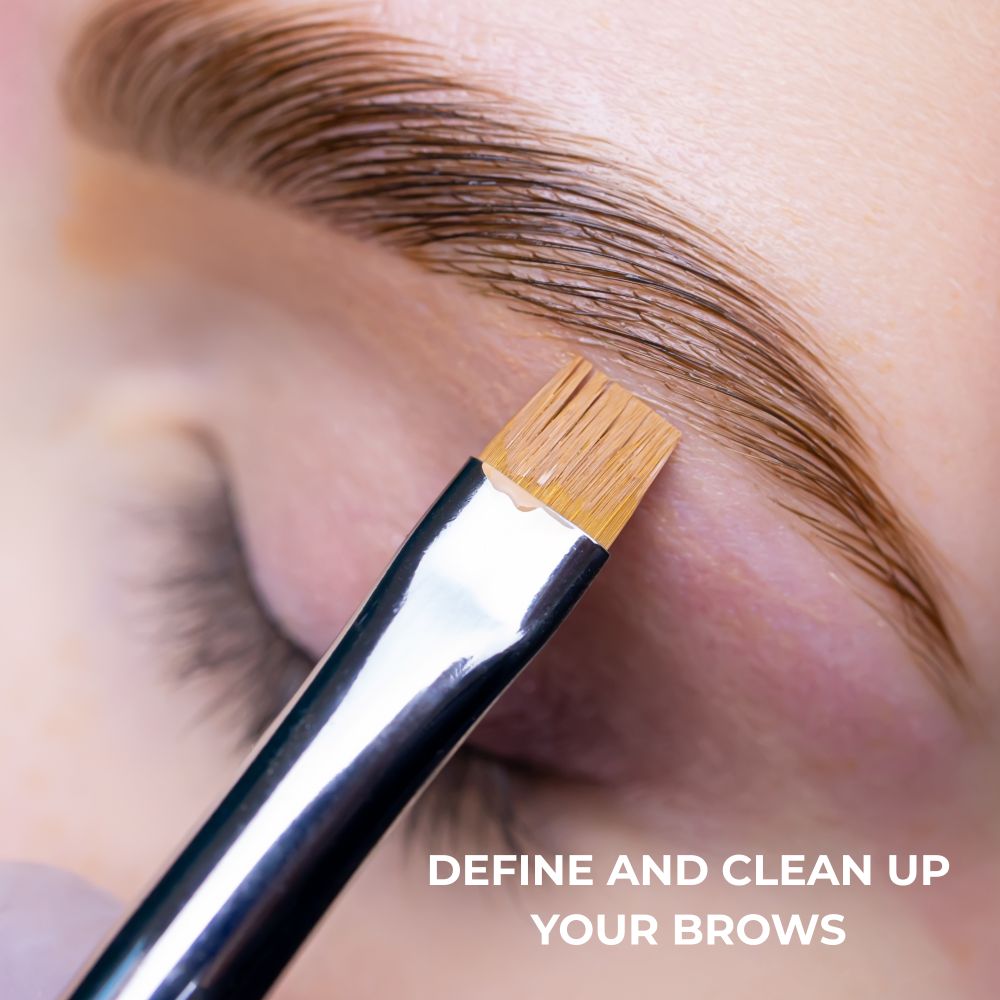
How to do it:
Concealer helps create an even surface for eyeshadow, especially when your eyelids have visible veins or discolouration.
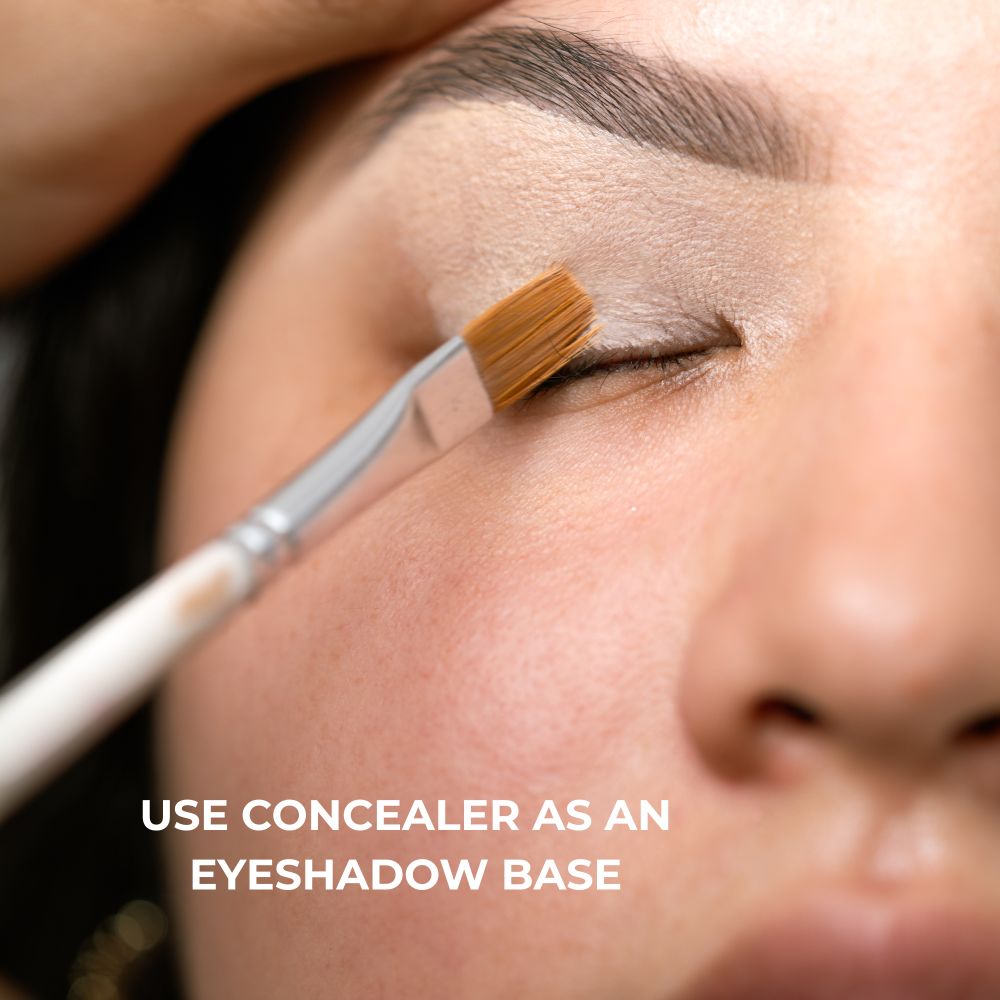
How to do it:
Avoid applying too much product, as thick layers can crease and make eyeshadow harder to blend.
Choosing the right shade and using a clean application tool are essential when covering blemishes.
Avoid applying makeup directly from the wand onto an active spot, as this can transfer bacteria back into the product. Avoid applying makeup directly to open or irritated skin.
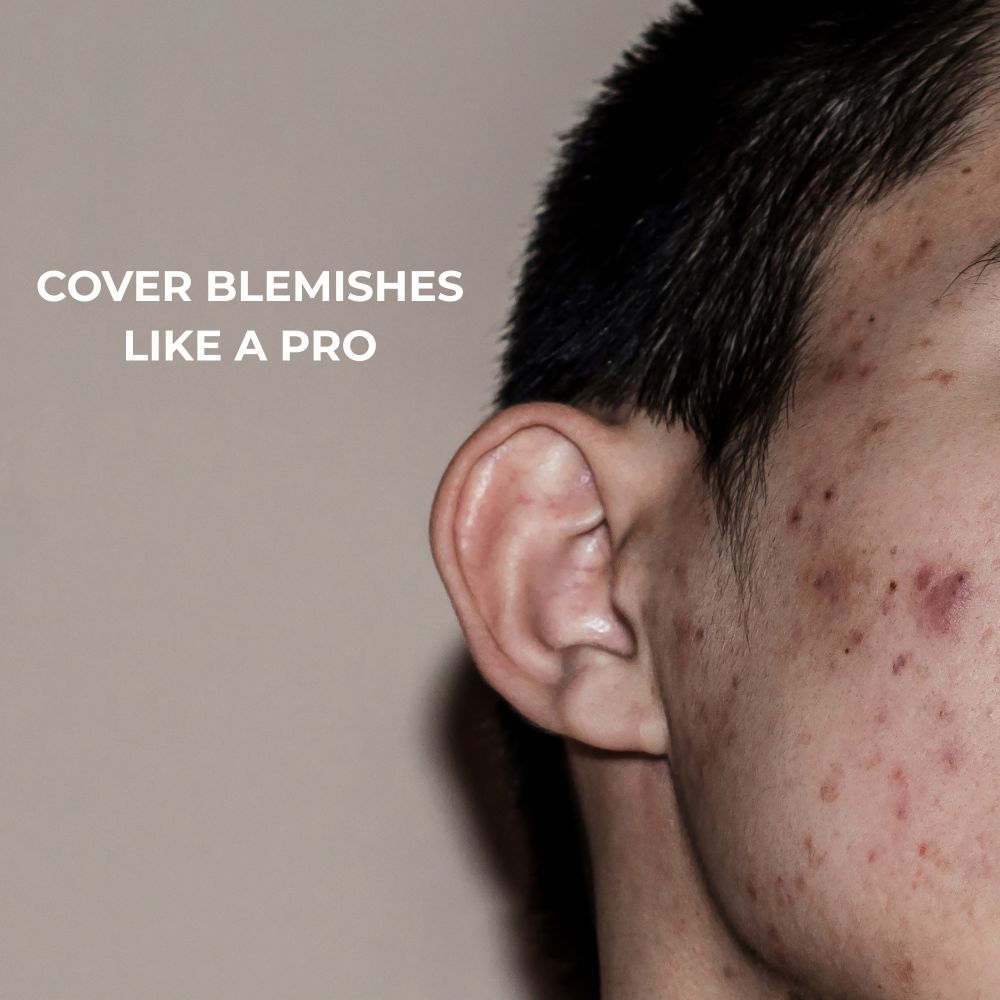
How to do it:
For additional coverage, allow the first layer to settle before applying another thin layer.
Concealer can also help sculpt and brighten your features without needing a separate contour product. Choose a concealer two to three shades darker than your skin tone for contouring and two to three shades lighter for highlighting.
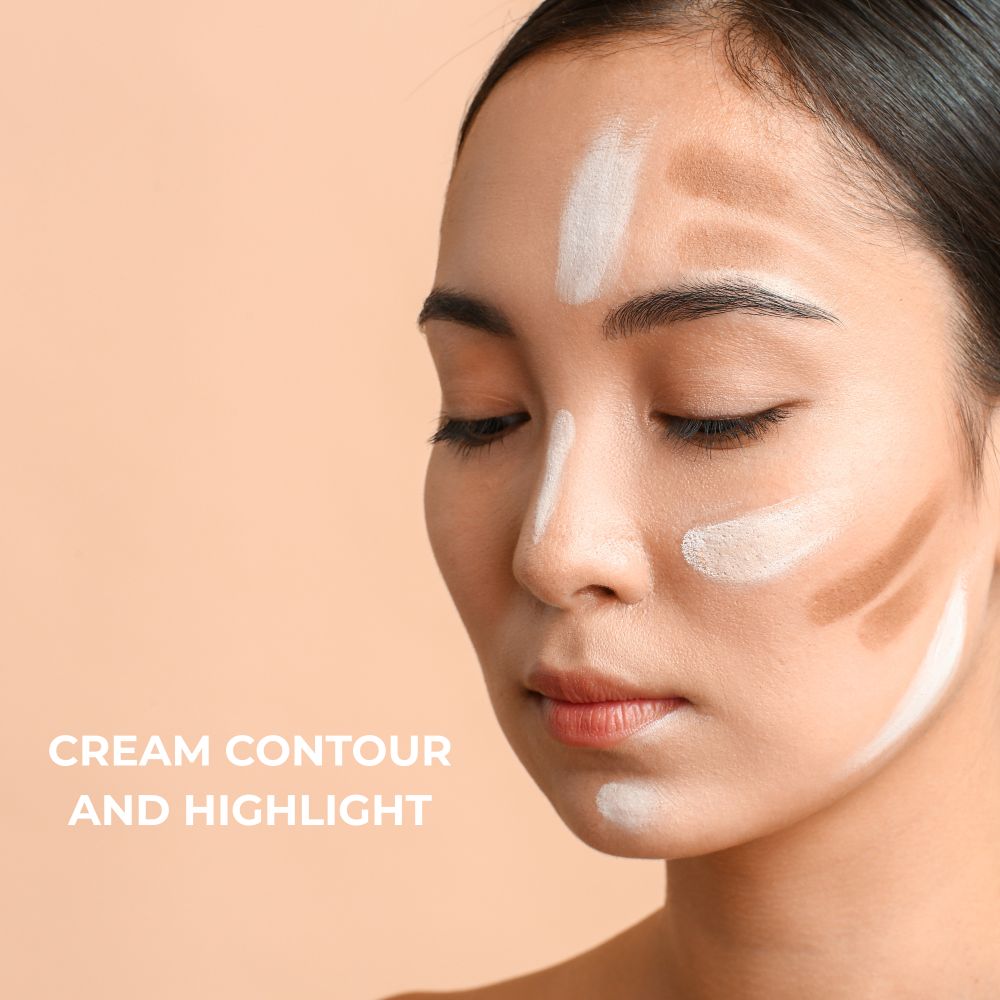
How to do it:
Adjust the placement and intensity to suit your face shape and preferred makeup style.
Concealer can help sharpen uneven eyeliner and create a more defined wing.
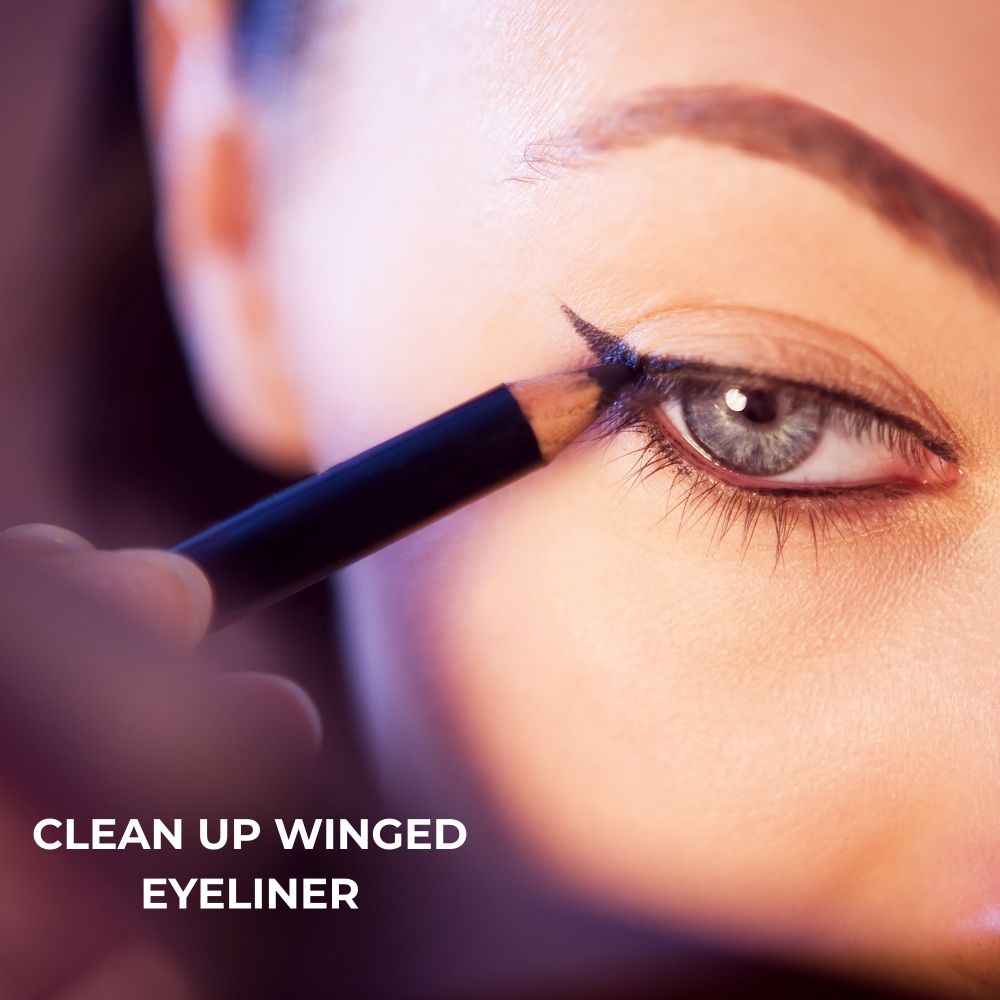
How to do it:
Choose a concealer that matches your skin tone or foundation to avoid a noticeable pale line around your eyeliner.
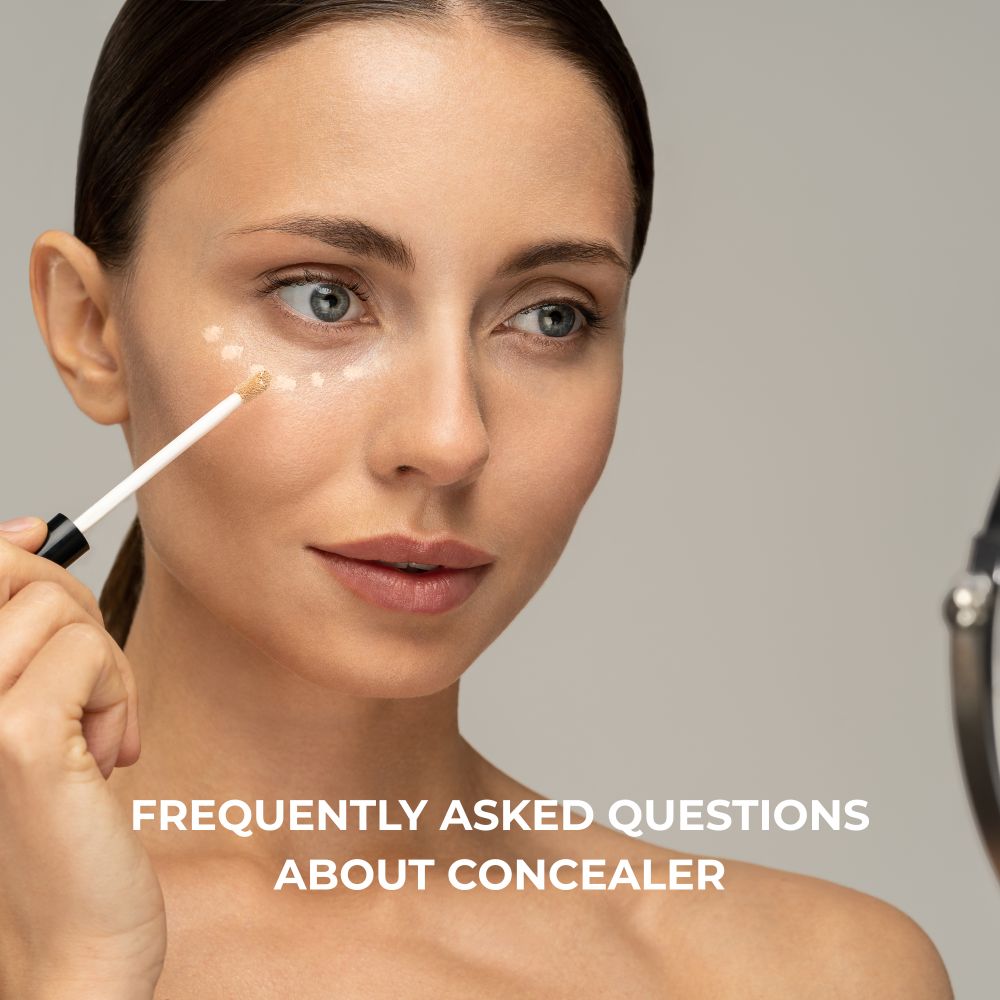
Dark circles can be influenced by genetics, ageing, lack of sleep, allergies, dehydration, sun exposure and pigmentation. Understanding the possible causes can help you choose suitable skincare and makeup techniques.
For everyday coverage and blemishes, choose a concealer that closely matches your skin tone or foundation. For brightening, a slightly lighter shade may work well. For contouring, choose a deeper shade that complements your undertone.
Colour correction can help when dark circles have noticeable blue, purple or brown tones. Apply a thin layer of a suitable corrector first, then blend concealer over the top.
Use lightweight skincare, allow it to absorb and apply concealer in thin layers. Smooth out visible creases before setting with a small amount of finely milled powder.
Absolutely. Apply concealer directly to clean, moisturised skin to cover blemishes, brighten selected areas or even out discolouration. Blend the edges carefully for a natural finish.
Learning how to use concealer is about more than covering imperfections. With the right shade, thoughtful preparation and a few simple techniques, you can brighten your under-eyes, conceal blemishes, sculpt your features and create a polished makeup look.
Start with small amounts of product, build coverage where needed and set strategically for a comfortable, natural-looking finish.
With the right application techniques and tools, you can make the most of your concealer and create a look that suits your style.
What's your favourite concealer tip or hack? Share it in the comments below!