August 20, 2026

Fresh, glowing, and flawless skin will always be on trend, but knowing how to improve your complexion can feel overwhelming with so much advice out there. The truth is, achieving a healthy, radiant look does not require a complicated routine. By focusing on simple, consistent daily skincare habits, you can improve skin complexion, support long term skin health, and feel more confident both with and without makeup.
When people look for ways to improve skin complexion, they are often trying to achieve clearer, smoother, and more radiant skin without relying heavily on makeup.
A healthy complexion creates the perfect base for any beauty look and helps products apply more evenly. More importantly, it reflects how well your skin is functioning overall. Improving your complexion is not about chasing perfection. It is about building habits that support balance, hydration, and long-term skin health.

To keep things simple and beginner friendly, focus on a few essentials:
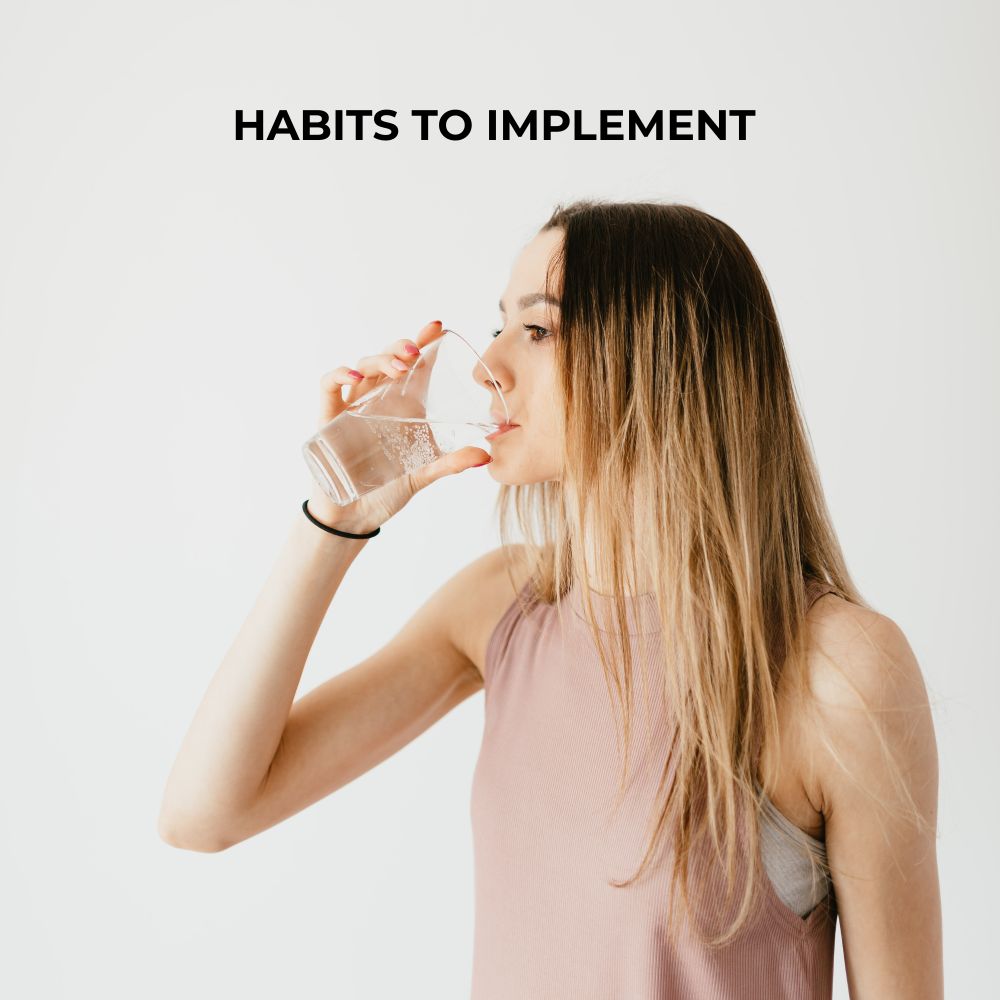
One of the easiest ways to improve your complexion naturally is by staying hydrated. Water supports your skin’s overall function and can help it appear more balanced and refreshed. Consistent hydration may also help reduce excess oil concentration, which can contribute to breakouts.
Pro tip: Keep a water bottle nearby throughout the day to make hydration a habit.
Exfoliation removes dead skin cells that can leave your complexion looking dull and uneven. It also helps unclog pores and encourages smoother skin. Start with once or twice a week, especially if you have sensitive skin. Oily skin types may tolerate more frequent exfoliation.
Pro tip: Avoid over exfoliating, as it can damage your skin barrier and cause irritation.
Sleeping in makeup can lead to clogged pores, breakouts, dryness, and irritation. It prevents your skin from properly repairing itself overnight. Taking the time to cleanse your skin thoroughly each evening is essential for maintaining a clear and healthy complexion.
Pro tip: If you wear long lasting makeup, consider double cleansing for a more effective clean.
Sleep plays a major role in skin repair and regeneration. During rest, your body supports collagen production and increases blood flow to the skin. A lack of sleep can leave your complexion looking dull and tired.
Pro tip: Aim for seven to eight hours of sleep each night to support glowing skin.
Pillowcases can collect oil, sweat, and bacteria over time. This buildup can contribute to breakouts and irritation, especially if you have acne prone or sensitive skin. Changing your pillowcase every 7 to 10 days can make a noticeable difference.
Pro tip: Silk pillowcases can reduce friction and are often gentler on the skin.
Moisturising helps maintain your skin’s balance and prevents both dryness and excess oil production. Even oily skin needs hydration. Skipping moisturiser can lead to an overproduction of oil as your skin tries to compensate.
Pro tip: Apply moisturiser to slightly damp skin to help lock in hydration.

Understanding how long it takes to improve your complexion can help set realistic expectations.
Consistency is the most important factor. Daily skincare habits build long term results that quick fixes cannot achieve.
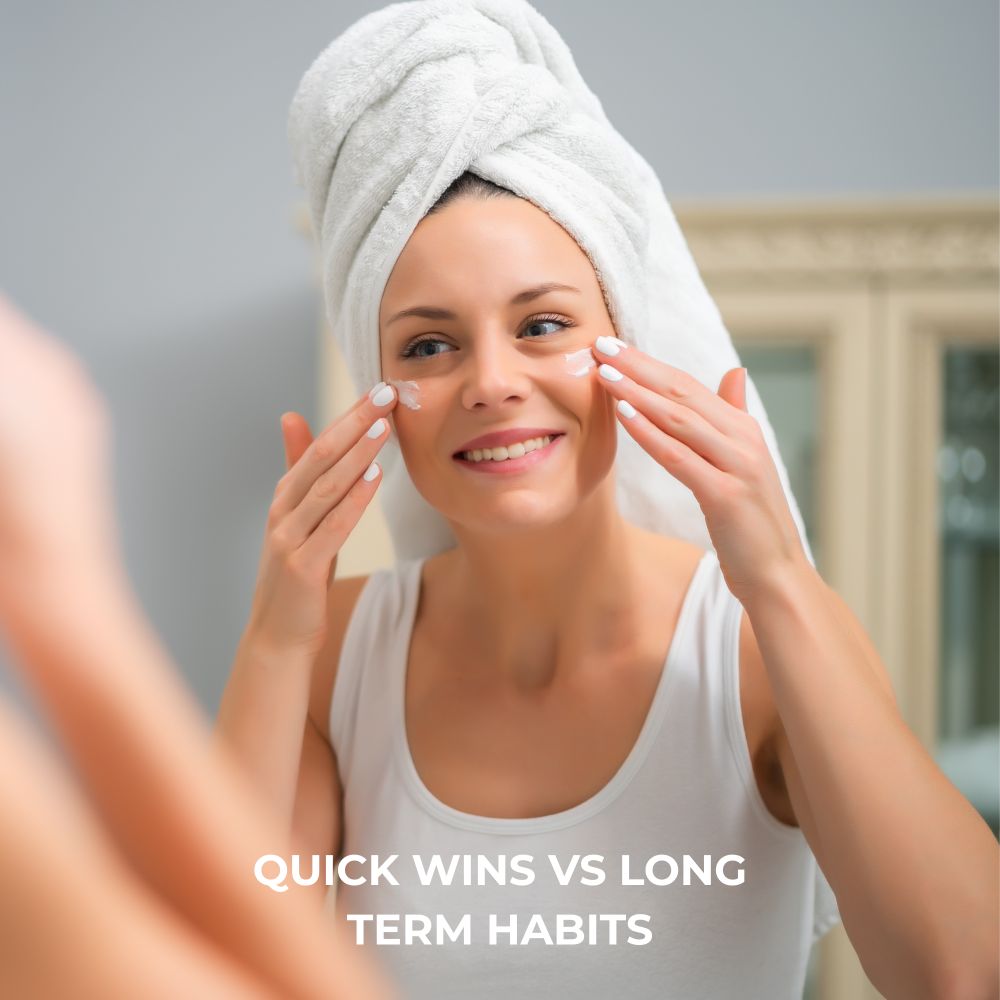
Quick wins help you look refreshed instantly, while long term habits create lasting complexion improvement.
Focus on the basics. Cleanse daily, moisturise, stay hydrated, and use SPF. These simple habits form the foundation for clearer, healthier looking skin.
No, a simple routine is enough to start. You can add targeted products later, but consistency with basic skincare is more important than having many products.
Hydration and glow can improve within days, but clearer skin and texture changes usually take a few weeks. Long term consistency is key.
Common mistakes include over exfoliating, skipping SPF, and using too many products at once. These can irritate the skin and slow progress.
Yes, all of these steps are simple and beginner friendly. You do not need professional treatments to start improving your complexion.
Look for gentle, hydrating, and skin type appropriate products. A basic routine with a cleanser, moisturiser, and SPF is the best place to start.
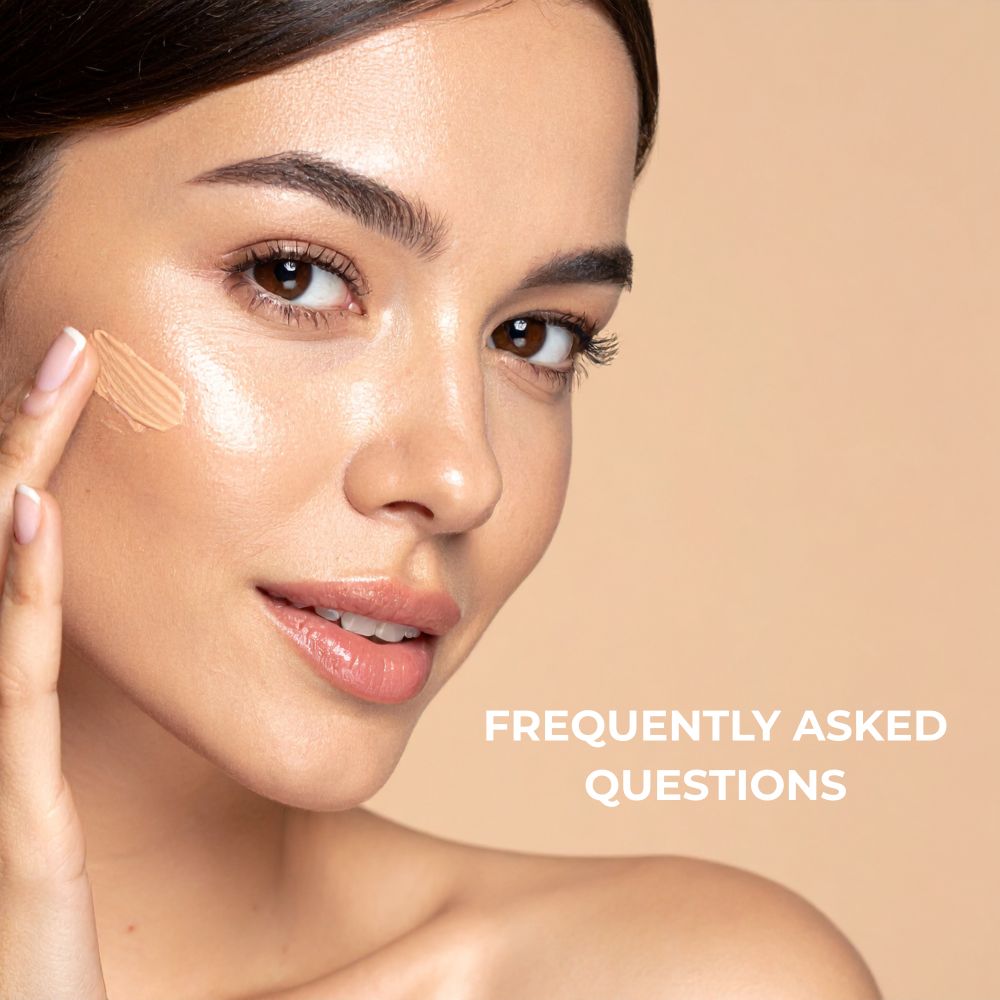
Learning how to improve your complexion is less about chasing trends and more about building a routine that works for you. With so many products and techniques available, it is easy to feel like you need to do everything at once, but the most effective approach is usually the simplest one.
Start with the basics, pay attention to how your skin responds, and make small adjustments over time. Factors like stress, diet, hormones, and environment can all influence your skin, so flexibility is just as important as consistency.
Most importantly, give your skin time. Real complexion improvement does not happen overnight, but with the right daily habits, you will begin to notice a healthier, more balanced, and naturally radiant look that lasts.