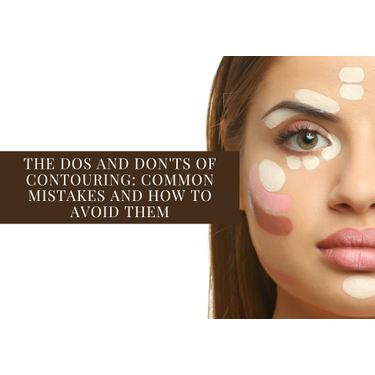
Hey there, beauties! Have you ever wondered how your favourite celebrities and influencers achieve those perfectly sculpted cheekbones and defined jawlines? Well, the secret lies in the art of contouring! Contouring has become a game-changer in modern makeup trends, allowing us to create dimension and accentuate our best features with a few strategic brush strokes.
However, let's be honest – contouring can be a bit tricky, and we've all witnessed some contouring mishaps that made us cringe. Fear not! We're here to save the day (and your makeup!) by diving into the dos and don'ts of contouring. Everyone deserves to feel confident and flawless in their makeup, so understanding these essential tips is a must for anyone wanting to master the art of contouring.
In this blog, we'll take you on a journey through the world of contouring, sharing common mistakes that even seasoned makeup enthusiasts can make, and more importantly, how to avoid them. By the end of this article, you'll be well-equipped with the knowledge to achieve a professional, polished look that'll leave everyone asking for your beauty secrets!
KEY TAKEAWAYS
- ⚡ Contouring success comes from balance and precision: The right shade, application technique, and blending approach define whether your contour enhances your features or looks harsh and uneven.
- ⚡ Common contouring mistakes to avoid:
- Using contour shades that are too dark or warm can result in an unnatural, muddy finish.
- Applying too much product too quickly makes it difficult to blend, creating streaks and harsh lines.
- Failing to blend properly or using a dirty brush leads to patchiness and imbalance.
- Contouring unnecessary areas can distort your natural proportions and make the face look overdone.
- ⚡ The DOs of contouring:
- Choose the right shade: Match your contour to your undertone and lighting conditions for realistic depth.
- Apply lightly: Build up colour gradually for a natural, sculpted look.
- Blend meticulously: Use a clean brush or damp sponge to diffuse edges for seamless transitions.
- Focus strategically: Target cheekbones, jawline, temples, and nose—less is more.
- Layer intentionally: Combine contour, bronzer, and blush harmoniously to maintain balance and warmth.
- ⚡ The DON’Ts of contouring:
- Don’t use overly dark or orange shades that clash with your natural complexion.
- Don’t apply heavy-handed strokes that leave visible lines.
- Don’t contour every area of the face—focus only where shadows occur naturally.
- Don’t skip cleaning tools or blending thoroughly, as this can create uneven, streaky results.
- ⚡ Troubleshooting tips for common contour issues:
- Too dark? Blend with a clean brush or sponge to soften intensity.
- Harsh lines? Buff with foundation or a damp sponge to merge tones seamlessly.
- Patchy contour? Reblend using small circular motions and layer lightly with foundation or concealer if needed.
- Uneven texture? Restart with clean tools and moisturized skin for smoother blending.
- ⚡ Pro tip: Practice and patience are key—experiment with lighting, brushes, and textures to discover what flatters your face shape and skin tone best.
- ⚡ Final takeaway: Contouring is an art form built on subtlety. With the right technique, tools, and understanding of light and shadow, you can achieve a naturally sculpted look that enhances your features rather than overpowering them.
UNDERSTANDING COMMON CONTOURING MISTAKES
.png)
When it comes to contouring, even the most skilled makeup enthusiasts can stumble upon common mistakes that affect the entire makeup look:
- Using the wrong contour shade, either too dark or warm, can lead to an unnatural and muddy appearance.
- Applying too much product at once results in harsh lines and streaks that are difficult to blend out.
- Improper blending techniques, such as using a dirty brush or not blending thoroughly, can lead to patchy and uneven contour, throwing off the entire balance of your makeup.
- Contouring areas that don't require it, like the entire face or random spots, can create an unbalanced and disproportionate appearance.
THE DOS OF CONTOURING
.png)
Achieving a flawless contour is within your grasp with these essential dos of contouring:
- Select the right contour shade by considering your natural skin tone, undertones, lighting, and the occasion to ensure a perfect match.
- Apply your contour products with a light hand. Begin with a small amount and gradually build up the intensity for a more natural finish.
- Blend thoroughly using a clean brush or a damp makeup sponge for a seamless and natural-looking shadow.
- Focus on key areas like the cheekbones, jawline, temples, and nose to accentuate them strategically for a sculpted and defined look.
- Layer and blend your contour with other products like foundation, bronzer, and blush for a cohesive and balanced makeup look.
THE DON'TS OF CONTOURING
.png)
Steer clear of common contouring mishaps by keeping these don'ts in mind:
- Avoid using contour products that are too dark or warm for your natural skin tone, as this can lead to an unnatural and muddy appearance.
- Refrain from heavy-handed application, as it can create harsh lines and streaks that are tricky to blend out.
- Don't contour areas that don't require it, like the entire face or random spots, as this can result in an unbalanced and disproportionate look.
- Never skimp on proper blending techniques. Always use clean brushes or sponges and ensure thorough blending to avoid a patchy or uneven contour.
TROUBLESHOOTING COMMON CONTOURING MISTAKES
.png)
Don't panic if you encounter common contouring blunders – troubleshooting is here to save the day!
- For a too-dark contour, simply grab a clean blending brush or a damp sponge and blend out the excess product for a softer, more natural appearance.
- Pesky harsh lines or streaks can be gently blended with a clean brush or sponge until they seamlessly meld into your foundation, leaving you with a flawless finish.
- To fix patchy or uneven contour, use a clean brush or sponge to blend it out thoroughly, achieving a smooth and even contour that beautifully enhances your features. And remember, if all else fails, don't hesitate to use makeup remover, and start over.
- Layer and blend your contour with other makeup products, such as foundation or concealer, to correct mistakes and create a cohesive and balanced makeup look.
CONCLUSION
.png)
Mastering the art of contouring is all about understanding the key dos and don'ts we've explored in this article. By adhering to the dos, such as selecting the right contour shade, applying with a light hand, and blending thoroughly, you'll be well on your way to achieving a flawless and professional-looking contour that accentuates your natural beauty. Equally crucial is steering clear of the don'ts, like avoiding too-dark or too-warm contour shades, heavy-handed application, unnecessary contouring, and improper blending techniques. By avoiding these common mistakes, you can ensure your contour looks seamless and radiant, enhancing your features in the most flattering way.
Remember, practice makes perfect! Embrace the opportunity to experiment with different contouring techniques and products to find what works best for you. Makeup is an art, and contouring is your chance to sculpt and define your unique beauty. So, don't be afraid to try new things, get creative, and have fun with it!
Now armed with the dos and don'ts of contouring, you're ready to take on any makeup challenge that comes your way. With practice and patience, you'll soon be contouring like a pro, achieving a polished and confident look that radiates your inner beauty. So go ahead, grab your brushes, and get contouring – the world is your canvas! Happy contouring, beauties!