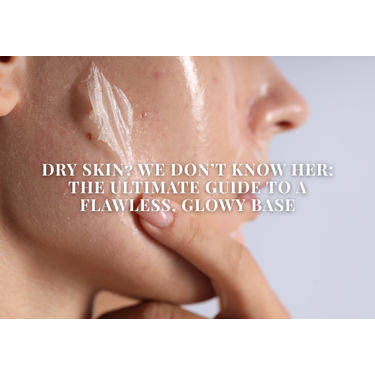
There is nothing more frustrating than spending 30 minutes perfecting your makeup, only to step into natural light and realise your foundation is catching on every dry patch. The flaking, the uneven texture, the dull finish, it can undo all your effort in seconds.
The good news? A glowing base isn’t about piling on more product; it’s about using a smarter strategy. We’re moving beyond basic moisturising and focusing on barrier repair, liquid layering, and skin-first makeup. This is your step-by-step guide to applying foundation on very dry skin, so it looks smooth, radiant, and fresh all day.
KEY TAKEAWAYS
- ⚡ Hydration is the foundation of flawless makeup: Your base starts before makeup. Hydration and barrier repair are essential for smooth application.
- ⚡ The 70/30 rule matters: Focus on 70% skincare and 30% makeup.
- ⚡ Primer prepares and protects your base: Choose a hydrating or smoothing primer to extend makeup longevity and improve texture.
- ⚡ Foundation tips: Dewy and serum-based foundations work best for drier skin types.
- ⚡ It's all in the technique: Application technique makes all the difference: press, don’t drag.
- ⚡ Set makeup lightly: Set makeup lightly to maintain a natural glow and avoid dryness.
- ⚡ Final takeaway: With the right prep, most formulas can work.
PREP LIKE A PRO: THE 70/30 RULE
If your makeup never quite sits right, preparation is usually the missing piece. For very dry skin, what you do before foundation matters more than the foundation itself. Think of it as 70% prep, 30% application.
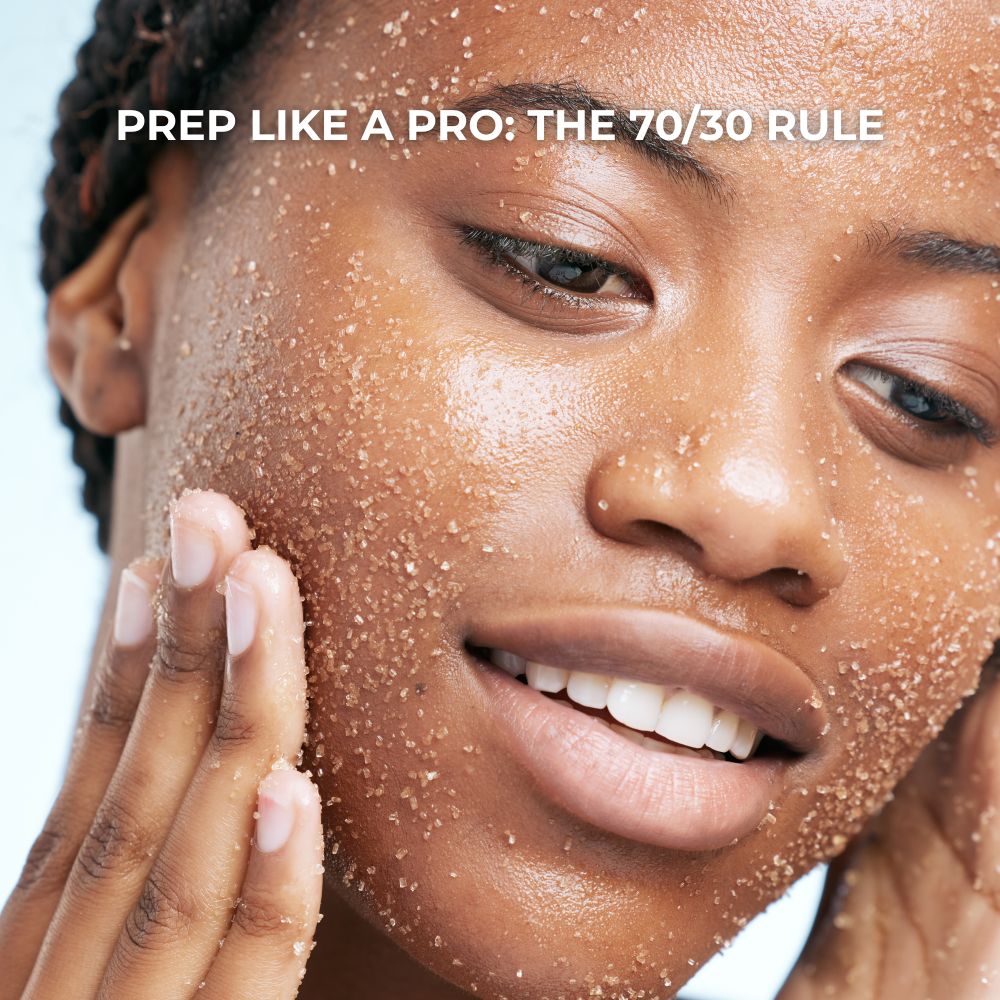
- Exfoliate Gently: Skip harsh physical scrubs, which can worsen dryness. Instead, opt for liquid exfoliants like PHAs or gentle AHAs to dissolve dead skin and smooth the surface without irritation.
- The Damp Skin Approach: Apply serums, moisturisers, and facial oils to slightly damp skin. This helps lock in hydration and leaves your complexion plump and ready for makeup.
- Barrier Creams Are Essential: A ceramide-rich moisturiser is key. Ingredients like ceramides, fatty acids, and cholesterol help repair and strengthen the skin barrier, allowing makeup to sit evenly rather than cling to texture.
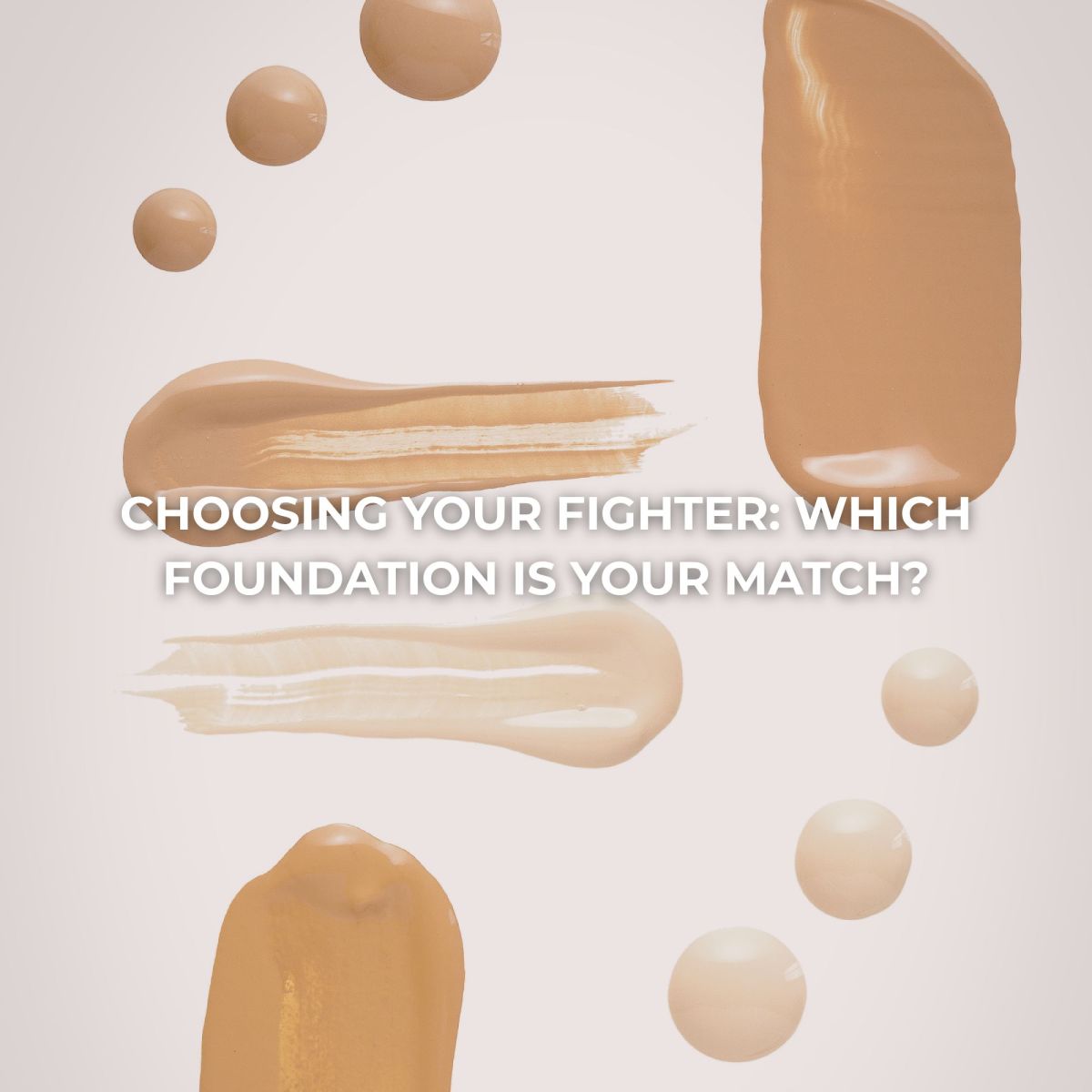
CHOOSING YOUR FIGHTER: WHICH FOUNDATION IS YOUR MATCH?
Once your skin is properly prepped, the next step is choosing the right formula. The difference between a smooth finish and a patchy one often comes down to this decision.
For the Mature Glow (Best Foundation for 40+ Skin)
Look for serum-infused or hydrating liquid foundations. These formulas help soften the look of fine lines while maintaining moisture throughout the day. Avoid heavily matte or powder-based options, which can emphasise texture.
For Redness and Sensitivity (Best Foundation for Red, Dry Skin)
Choose formulas with soothing ingredients like cica, aloe, or niacinamide. These help calm visible redness while providing even, natural-looking coverage. A hydrating, medium-coverage base is usually the most flattering.
The Double-Threat (Dry, Acne-Prone Skin)
This skin type requires a careful balance.
Look for:
- Non-comedogenic ingredients such as squalane
- Lightweight, breathable texture
Avoid:
- Heavy waxes
- Thick, overly occlusive formulas that can sit unevenly and congest the skin
THE TECHNIQUE: HOW TO APPLY FOUNDATION ON VERY DRY SKIN
Application technique can completely transform how your foundation looks and wears throughout the day.
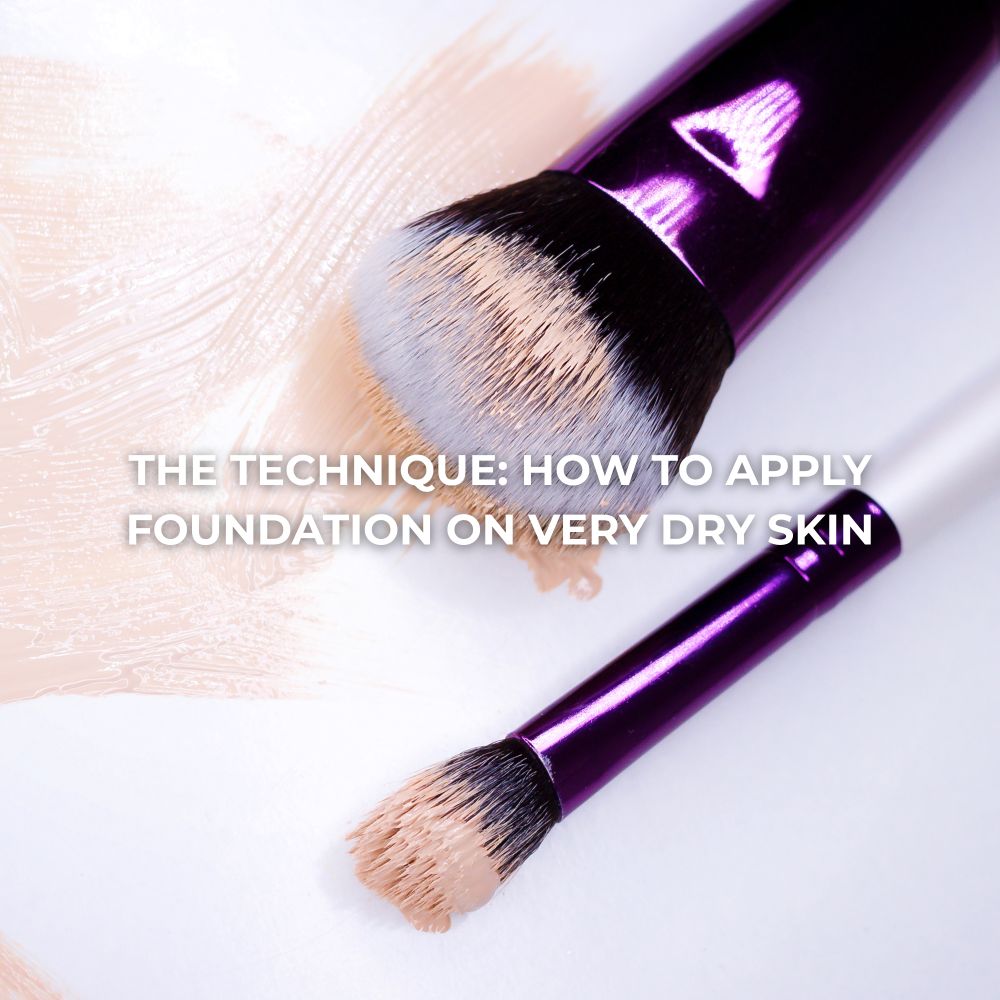
- Use a Damp Sponge: A damp makeup sponge helps press product into the skin, adds a touch of moisture, and prevents streaking.
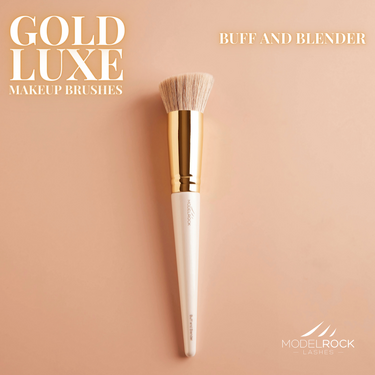
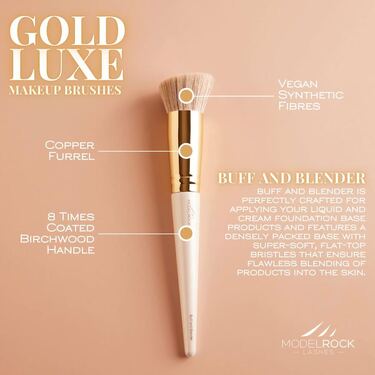
- Stippling vs Buffing: Gently stippling (dabbing) creates a smoother, more hydrated finish. Buffing in circular motions can disturb the skin’s surface and bring out texture. Use a tool like our Gold Luxe Makeup Brush.
- The Oil Drop Method: Mix a small drop of facial oil into your foundation before applying. This improves glide, reduces drag, and creates a naturally luminous finish without heaviness.
THE BIG DEBATE: CAN DRY SKIN USE MATTE FOUNDATION?
Even with dry skin, you’re not limited to dewy formulas, it just comes down to technique.

- The Strategy: Opt for a soft-matte or satin finish rather than a flat matte. Apply over well-hydrated skin and keep layers thin.
- Set Selectively: Apply powder only where needed, such as the T-zone or around the mouth. Leave the rest untouched to maintain a natural glow.
- Use Setting Spray Instead: A hydrating setting spray helps melt products together, reduce any powdery finish, and bring back radiance.
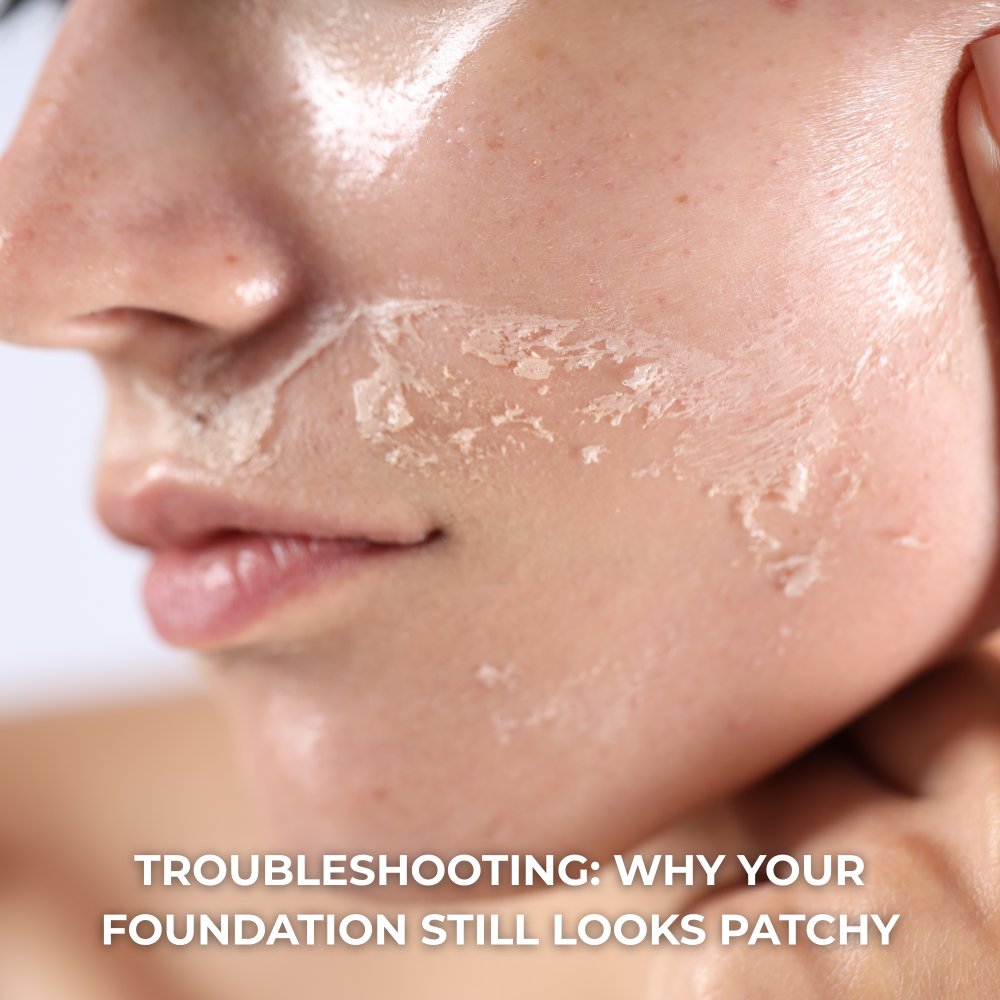
TROUBLESHOOTING: WHY YOUR FOUNDATION STILL LOOKS PATCHY
If your base still isn’t sitting right, these are the most common causes:
- Pilling: This happens when skincare and makeup don’t layer well together, like mixing oil-heavy products with water-based formulas.
- Fast-Drying Foundations: Some long-wear formulas set too quickly, making them harder to blend on drier skin. Work in small sections or switch to something more forgiving.
- Mid-Day Refresh Mistakes: Instead of adding more powder, use a hydrating facial mist and gently press the skin with a sponge to revive your base.
THE FINAL TOUCH: BRINGING THE LOOK TOGETHER
Achieving a flawless base comes down to one key principle: support your skin first, then enhance it with makeup. When your skin is well-prepped and balanced, everything applied on top sits better, looks smoother, and lasts longer. The result is a radiant, healthy finish that doesn’t rely on heavy coverage.

To complete the look, keep the rest of your makeup soft and complementary. Think subtle shimmer, diffused eyes, and lightweight, wispy lashes like MODELROCK Individual Lashes, enough definition to enhance your features without taking away from the glow of your skin.
With the right preparation, formulas, and application techniques, dry skin doesn’t have to limit your results. A smooth, luminous base is completely achievable with a routine that prioritises hydration, simplicity, and intention.